
Lifestyle
Fluffy Cow 101: Meet the Shaggy Highland Cattle Breed

Introduction
Scroll through enough farm videos online and you’ll eventually stop on one: a cow with a mop of shaggy hair hanging over its eyes, standing calmly in a snowy field like it just stepped out of a storybook. That’s a fluffy cow, and it’s become one of the most recognizable animals on the internet.
But behind the viral photos is a real, centuries-old cattle breed with a specific history, a practical reason for all that hair, and some genuine care requirements if you’re thinking about more than just admiring one from your phone screen. This guide covers what fluffy cows actually are, why they look the way they do, and what you should know before falling too hard for those big brown eyes.
Direct Answer
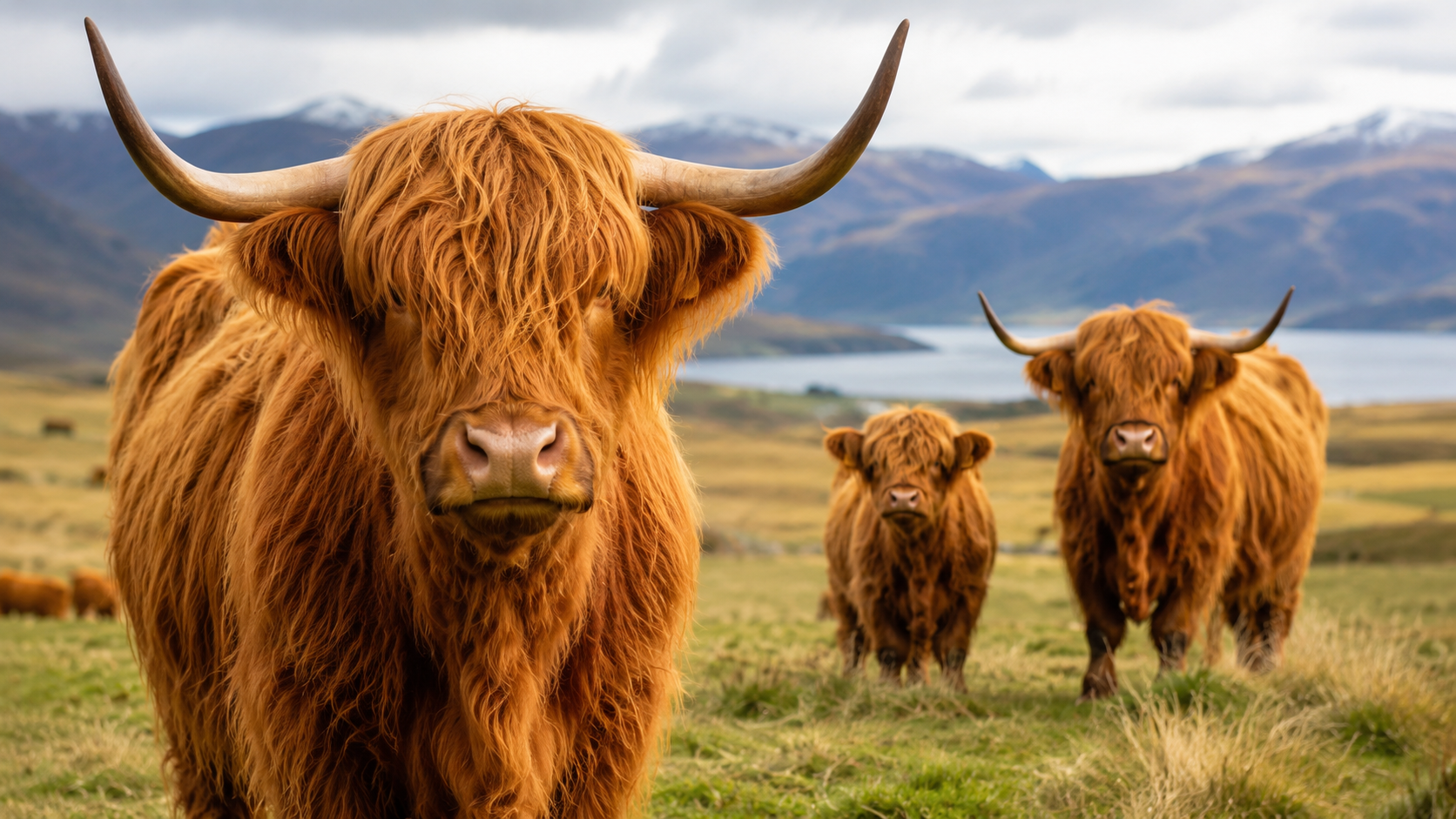
A fluffy cow is the popular nickname for Highland cattle, a Scottish breed known for its long, shaggy double coat and sweeping horns. Highland cattle developed their thick hair to survive harsh, wet, windy Scottish winters. They’re considered one of the oldest registered cattle breeds, valued for hardiness, lean beef, and a notably calm temperament, and are increasingly kept as pets or hobby-farm animals.
What Exactly Is a Fluffy Cow?
The Breed Behind the Nickname
“Fluffy cow” isn’t an official breed name — it’s a nickname people gave to Highland cattle once photos of the breed started spreading online. The proper name is Highland cattle, sometimes called Scottish Highland cattle, and in Scotland they’re affectionately known as “hairy coos” or “heilan coos.” In some regions, they’re also called longhaired cattle.
The breed originated in the Scottish Highlands and the Western Isles, where it developed alongside two historical types: a smaller, often black variety from the islands, and a larger, typically dun-colored type from the mainland. Both were eventually recorded together as a single breed once formal record-keeping began.
Why the Coat Looks the Way It Does
The signature “fluffy” look comes from a double coat, not just extra-long fur for show. The outer layer is long and oily, designed to shed water, while a soft undercoat traps warmth against the cow’s body. This combination lets Highland cattle handle rain, wind, and snow that would leave a shorter-haired breed shivering.
Because Highland cattle rely on hair rather than a thick layer of body fat for insulation, they tend to produce leaner beef than many other cattle breeds — a detail that surprises a lot of people who assume “fluffy” means “chubby.”
Background and History
Ancient Roots
Highland cattle have a claim to being one of the oldest registered cattle breeds in the world. Written records mentioning the breed go back to the twelfth century, with archaeological evidence suggesting an even older presence dating to the sixth century. The first official herd book, which formally documented pedigrees, was published in 1885.
From Working Cattle to Global Export
For centuries, Highland cattle were a practical part of the Scottish rural economy. In the eighteenth century, thousands were driven south into England to be fattened and sold at market, with over 30,000 Scottish cattle sold into England in a single year in the 1720s.
As the breed’s reputation for hardiness spread, it began showing up far beyond Scotland. Highland cattle were exported to countries including Argentina, Australia, Canada, the Falkland Islands, and the United States starting in the late nineteenth century, later followed by exports to several European countries. Today they’re raised across North America, Europe, and Australia, adapting well to a wide range of climates despite their cold-weather origins.
A Royal Connection
Highland cattle have an unusually high-profile fan in British history. Queen Elizabeth II began keeping a herd of Highland cattle at Balmoral Castle in 1954, and the tradition continues there today.
Key Physical Characteristics
Size and Build
Despite their fluffy appearance, Highland cattle are solidly built animals, not oversized fur balls. Weights and heights vary somewhat by source and by whether you’re measuring standard or miniature lines, but general ranges include:
- Mature cows typically weigh around 900 to 1,300 pounds
- Mature bulls can weigh up to about 1,800 pounds
- Cows usually stand roughly 35 to 48 inches at the shoulder
- Bulls are typically a bit taller, often in the 42- to 52-inch range
Coat Colors
Most people picture a reddish-brown Highland cow, and that’s the most common color, making up roughly 60 percent of the population. But the breed also comes in black, yellow, dun, brindle, silver, and white, giving individual herds noticeably different looks even though they’re the same breed.
Horns
Both male and female Highland cattle grow horns, which is unusual compared to many modern beef breeds that have been bred to be naturally hornless (polled). Cow horns tend to sweep outward and upward, while bull horns are generally thicker and curve forward. The horns aren’t just decorative — cattle use them to scratch, to move objects, and to help regulate body temperature by dissipating heat.
Temperament and Social Behavior
One reason Highland cattle have crossed over from farm animal to internet celebrity to hobby-farm favorite is temperament. Despite their imposing horns, the breed is widely regarded as calm, intelligent, and even affectionate toward familiar handlers.
Highland cattle are also strongly social. Groups (traditionally called “folds” rather than herds, a nod to the stone shelters used to protect them from Highland winters) develop a clear dominance hierarchy. Research on semi-wild herds found that this structure actually reduces aggression, since animals generally understand their place relative to others based on age and sex. Older animals outrank younger ones, and males typically outrank females once they reach maturity.
Because of this social wiring, Highland cattle genuinely do poorly kept alone. A cow raised without companions of its own species is more likely to become stressed, so most breeders won’t sell to a household planning on just one animal.
Miniature and Micro Highland Cattle
What “Mini” Actually Means
The rise of fluffy cow content online has fueled demand for smaller versions of the breed. Miniature Highland cattle keep the same coat, horns, and temperament as standard Highlands, just in a smaller frame — generally standing under about 42 inches tall and weighing 500 to 700 pounds.
“Micro” Highland cattle take that further, sometimes standing 36 inches or shorter. However, “micro” isn’t an officially recognized size classification within cattle breeding, so buyers should be cautious. Some animals marketed this way are simply naturally small-framed, while others may reflect less careful breeding decisions that prioritize size over structural health. Verifying a breeder’s genetics and reputation matters more with mini and micro lines than with standard-sized Highlands.
Why Fluffy Cows Matter Beyond Their Looks
Practical Farm Value
Highland cattle aren’t just decorative. Their grazing habits make them useful for managing rough pasture that other breeds tend to avoid, which is part of why they’re increasingly used in conservation grazing projects aimed at maintaining biodiversity in grasslands.
Beef Quality
Though it’s easy to think of them purely as pets, Highland cattle are still raised commercially for beef in many places. Because they store less fat under the skin (relying on hair for warmth instead), the meat tends to be leaner and, according to many breeders and butchers, notably flavorful.
Longevity
Highland cattle tend to live considerably longer than many commercial cattle breeds, often reaching 15 to 20 years, with some living into their twenties. That longevity is one reason families who raise them for companionship or small-scale farming often describe the relationship as a decades-long commitment rather than a short-term project.
Common Mistakes and Misconceptions
Misconception: Fluffy cows are a distinct breed of their own. “Fluffy cow” is a nickname for Highland cattle, not a separate breed. Every fluffy cow you see online is a Highland (or a Highland cross), regardless of what caption it’s given.
Misconception: Their fluffiness means they’re overweight or slow. The thick coat is insulation, not extra body fat. Highland cattle are actually leaner than many commercial breeds because their hair does the work that fat does in other cattle.
Misconception: All mini or micro Highlands are the same size. Because “micro” has no standardized definition in the cattle world, mature size can vary a lot between breeding programs. What one breeder calls “micro,” another might call a fairly typical “mini.”
Misconception: You can keep just one as a pet. Highland cattle are herd animals through and through. A single cow living without others of its kind is likely to be stressed, even with plenty of human attention.
Misconception: Their long forelock means they can’t see well. The dramatic fringe of hair over their eyes looks like it should be a problem, but it doesn’t meaningfully impair their vision, and many breeders note it may even help protect their eyes from insects and harsh weather.
Real-World Example
Picture a small hobby farm in a colder climate — say, upstate New York. A family decides to bring home two Highland heifers rather than one, understanding the breed’s need for companionship. They invest in sturdy fencing, since the cattle’s horns and strength call for secure enclosures, and they budget for winter hay even though the breed handles cold well on its own.
Over the following winter, the cattle’s coats grow noticeably thicker, shedding rain and snow just as the breed is known for. Visitors are often surprised that these “fluffy” animals barely seem bothered by weather that would send other livestock straight into a barn. By spring, the coat sheds out, and the cattle look leaner and shorter-haired until the cycle begins again the following fall.
This kind of seasonal coat change is completely normal and one of the clearest signs of a healthy Highland cow.
Key Facts
- Fluffy cow is a nickname for Highland cattle, a breed native to Scotland
- The breed has a double coat: a long, oily outer layer and a soft, insulating undercoat
- Highland cattle are among the oldest registered cattle breeds, with a herd book dating to 1885
- Both males and females grow horns
- Common coat colors include red (most common), black, yellow, dun, brindle, silver, and white
- Highland cattle typically live 15 to 20 years, sometimes into their twenties
- They are herd animals and should not be kept alone
- Mini Highlands stand under about 42 inches tall; “micro” is not an official size category
- Queen Elizabeth II kept Highland cattle at Balmoral Castle starting in 1954
Frequently Asked Questions
Q1: What breed is a fluffy cow?
Ans: Fluffy cows are Highland cattle, a Scottish breed recognized by its long double coat and curved horns.
Q2: Why do fluffy cows have so much hair?
Ans: Their double coat evolved to handle Scotland’s cold, wet, windy climate. The oily outer hair repels water, while the soft undercoat provides insulation.
Q3: Are fluffy cows dangerous?
Ans: Highland cattle are generally considered calm and gentle despite their horns, but any large horned animal deserves respect, careful handling, and secure fencing, especially around bulls or cows with young calves.
Q4: Can you keep a fluffy cow as a pet?
Ans: Yes, many people do, but Highland cattle are herd animals and need at least one companion of their own species, along with adequate space, fencing, and veterinary care.
Q5: Do fluffy cows produce milk?
Ans: Highland cattle can produce milk, but they weren’t bred for high dairy output the way dairy breeds were. Some owners use them for small-scale personal milk production rather than commercial dairying.
Q6: Are fluffy cows used for beef?
Ans: Yes. Highland cattle are valued for lean, flavorful beef, even as their popularity as pets and hobby-farm animals has grown.
Q7: What’s the difference between a mini and a micro Highland cow?
Ans: Mini Highlands generally stand under about 42 inches tall. “Micro” is an informal term sometimes used for even smaller animals, but it isn’t a standardized classification, so sizes can vary between breeders.
Key Takeaways
- “Fluffy cow” refers to Highland cattle, a Scottish breed known for its shaggy double coat
- The coat is a practical adaptation for cold, wet climates, not just an aesthetic trait
- Highland cattle are social herd animals with a calm, intelligent temperament
- Mini and micro Highlands are smaller versions of the same breed, with “micro” lacking an official definition
- The breed is valued for both lean beef production and companionship on hobby farms
- Highland cattle can live 15 to 20 years or longer, making ownership a long-term commitment
Conclusion
Fluffy cows owe their internet fame to a very old, very practical adaptation: a double coat built to survive Scottish winters. Underneath the shaggy hair and sweeping horns is Highland cattle, a hardy, social, long-lived breed with a genuine history in Scottish farming and a growing presence on hobby farms around the world. Whether you’re drawn in by a viral photo or considering raising one yourself, understanding the real animal behind the nickname makes the appeal easier to appreciate — and easier to plan for responsibly.
.Introduction
If you’ve watched an Oklahoma City Thunder game or followed Shai Gilgeous-Alexander’s MVP seasons, you may have noticed him thanking his wife, Hailey Summers, during interviews and award speeches. She keeps a relatively low profile compared to many partners of professional athletes, which tends to make people more curious rather than less. Here’s what’s actually been publicly reported about who she is, how she and Gilgeous-Alexander met, and the life they’ve built together.
Direct Answer
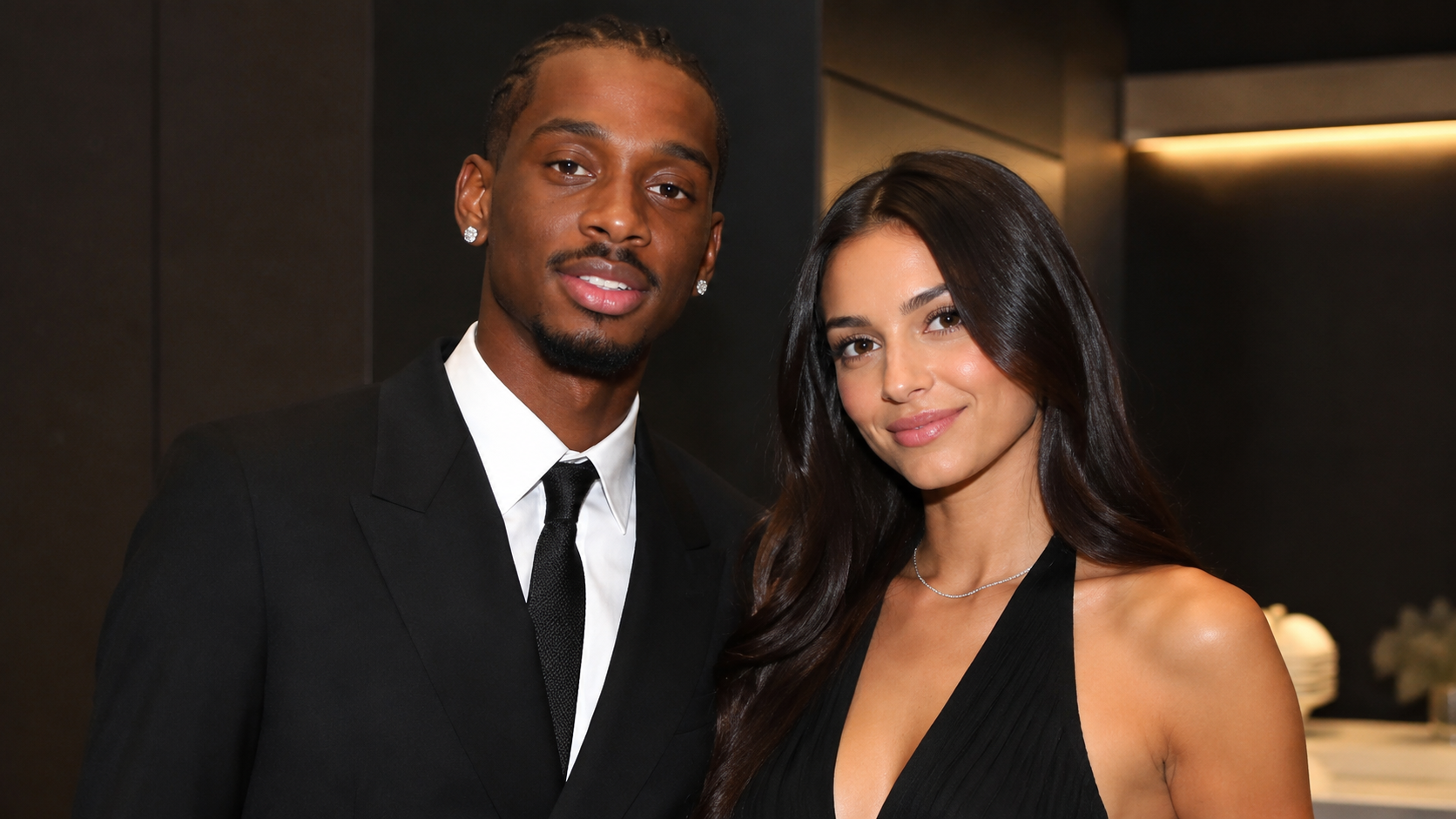
Hailey Summers is a Canadian former college soccer player and the wife of NBA star Shai Gilgeous-Alexander. Born October 22, 1999, in Hamilton, Ontario, she played soccer at the University at Albany from 2017 to 2021. She and Gilgeous-Alexander, high school connections who began dating around 2017, married on Valentine’s Day 2024 and have a son, Ares, born that April.
Who Is Hailey Summers?
Hailey Summers was born in Hamilton, Ontario, Canada, to Ron Summers and Carolyn Oliver. Her father has worked as a firefighter. She has two siblings, a sister named Taylor and a younger brother named Will. Summers attended St. Mary High School, where she was a standout multi-sport athlete, competing in soccer, basketball, and football, and helping her teams win several league and municipal titles.
Soccer became her primary focus, and she went on to play NCAA Division I soccer at the University at Albany from 2017 to 2021. As a defender, Summers played a role in helping her team, the Great Danes, win an America East Championship, and she served as team captain during at least part of her college career. She earned a psychology degree during her time at Albany.
Since college, Summers has kept a relatively private public presence. She’s not a constant fixture on social media compared to many partners of high-profile athletes, and most of what’s publicly known about her life comes through occasional posts and coverage tied to her husband’s basketball career.
How Hailey Summers and Shai Gilgeous-Alexander Met
Summers and Gilgeous-Alexander both grew up in the Hamilton, Ontario area and are widely described as high school connections. Reporting places the start of their relationship around 2016 or 2017, years before Gilgeous-Alexander entered the NBA. The two dated for roughly six years, with Gilgeous-Alexander proposing in June 2023.
Their relationship developed alongside Gilgeous-Alexander’s basketball career, from his time playing college basketball through his rise into one of the NBA’s most decorated guards. Because the two have known each other since before either of them reached the public eye in their respective sports, their relationship is often described in coverage as a long-standing, foundational part of Gilgeous-Alexander’s life rather than a more recent public pairing.
Marriage and Family Life
Gilgeous-Alexander and Summers married on Valentine’s Day, February 14, 2024, in a ceremony described in coverage as intimate. Photos shared publicly showed a simple setup with pink roses and a “Just Married” sign.
Two months later, on April 25, 2024, the couple welcomed their first child, a son named Ares Alexander. Gilgeous-Alexander has said publicly that the name wasn’t chosen as a reference to the Greek god of war, noting that he and Summers simply liked the name.
Since becoming a mother, Summers has continued to make occasional public appearances, including at Thunder games during the postseason, while largely maintaining privacy around her and her family’s day-to-day life.
Why People Search for Information About Her
Interest in Hailey Summers largely tracks with her husband’s rising profile in the NBA. As Gilgeous-Alexander has become a perennial MVP contender and a face of the league, public curiosity about the people closest to him, including his wife, has grown accordingly. This is a common pattern among partners of major professional athletes: visibility tends to follow the athlete’s success, even when the partner themselves maintains a private lifestyle.
Gilgeous-Alexander has also spoken publicly and emotionally about Summers’ role in his life, particularly during MVP acceptance speeches, which has drawn additional attention to who she is and what their relationship looks like. In comments about their relationship, he has described her as someone who gives him honest feedback about his mindset and performance, drawing on her own athletic background as a former college player.
Common Misconceptions
That Hailey Summers is a public figure independent of her husband’s career. While she has her own athletic background and accomplishments, most public coverage of her centers on her marriage and family life with Gilgeous-Alexander rather than an independent public career of her own.
That she’s highly active on social media. Coverage consistently notes that Summers keeps a relatively low profile online compared to many spouses of prominent athletes, sharing updates only occasionally rather than maintaining a constant public presence.
That details about her personal life beyond what’s been shared publicly are widely available. Because she maintains privacy, much of what circulates online about her day-to-day life is limited to what she or her husband has chosen to share directly, rather than extensive independent reporting.
Key Facts
- Hailey Summers was born October 22, 1999, in Hamilton, Ontario, Canada.
- She played NCAA Division I soccer as a defender at the University at Albany from 2017 to 2021.
- She holds a degree in psychology from the University at Albany.
- Summers and Shai Gilgeous-Alexander have known each other since high school and began dating around 2016 or 2017.
- The couple married on February 14, 2024.
- Their son, Ares Alexander, was born on April 25, 2024.
- Summers keeps a relatively private public profile compared to many partners of prominent NBA players.
Frequently Asked Questions
Q1: Who is Hailey Summers?
Ans: She is a Canadian former college soccer player and the wife of Oklahoma City Thunder star Shai Gilgeous-Alexander.
Q2:How did Hailey Summers and Shai Gilgeous-Alexander meet?
Ans: The two grew up in the same area of Hamilton, Ontario, and are described as high school connections. Reports place the start of their relationship around 2016 or 2017.
Q3:When did Hailey Summers and Shai Gilgeous-Alexander get married?
Ans: They married on Valentine’s Day, February 14, 2024.
Q4:Do Hailey Summers and Shai Gilgeous-Alexander have children?
Ans: Yes. Their son, Ares Alexander, was born on April 25, 2024, about two months after their wedding.
Q5:What did Hailey Summers do before her marriage?
Ans: She played NCAA Division I soccer as a defender at the University at Albany from 2017 to 2021 and graduated with a psychology degree.
Q6:Is Hailey Summers active on social media?
Ans: She maintains a relatively low profile online, posting occasionally rather than sharing regular updates, which is consistent with how she’s described across most coverage of her and her husband’s family life.
Key Takeaways
- Hailey Summers is a Canadian former college soccer player and the wife of NBA star Shai Gilgeous-Alexander.
- She and Gilgeous-Alexander have known each other since high school and married in February 2024.
- The couple has one son, Ares Alexander, born in April 2024.
- Summers played collegiate soccer at the University at Albany and holds a psychology degree.
- She keeps a relatively private public presence, with most public attention tied to her husband’s basketball career.
Conclusion
Hailey Summers‘ public profile is closely tied to her husband’s rise as one of the NBA’s top players, but her own background as a college athlete and her long, pre-fame relationship with Gilgeous-Alexander give her story more depth than a typical “athlete’s spouse” summary. What’s publicly known paints a picture of a private family life built well before either of them became public figures, with Summers choosing to keep most of it out of the spotlight even as interest in her continues to grow.
Introduction
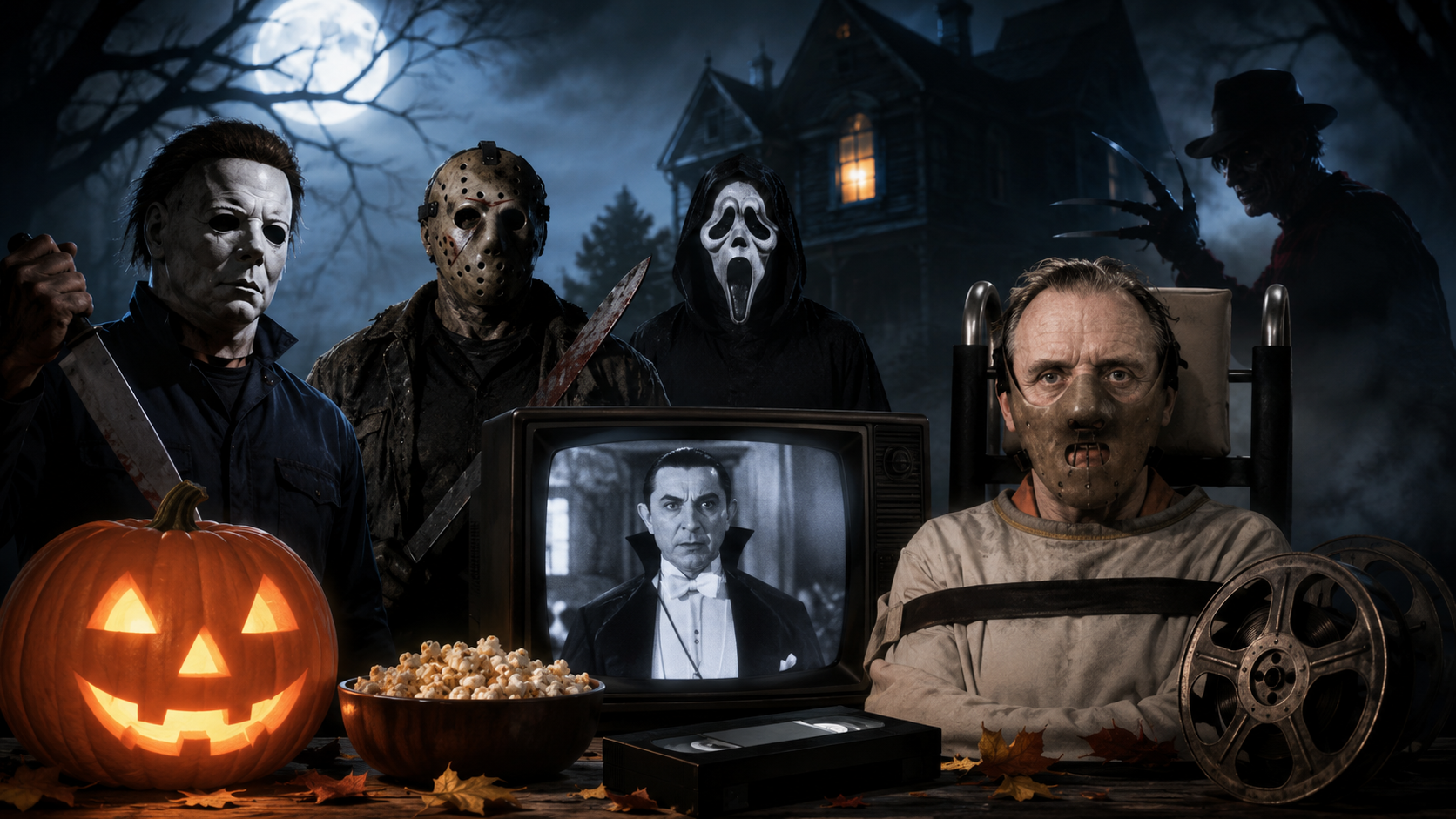
Every October, millions of people dim the lights, grab a blanket, and settle in for a movie night built around one simple goal: getting scared, spooked, or charmed in the best possible way. Classic Halloween movies have earned their place in this tradition because they do something modern films often struggle to match — they create atmosphere without relying on gore, jump scares, or special effects budgets.
If you’ve ever wondered why certain films get replayed year after year while others fade into obscurity, the answer usually comes down to storytelling, tone, and the way these movies tap into something universal about fear, mystery, and the changing of seasons. Whether you’re building a Halloween watchlist for the whole family or looking for something genuinely unsettling, understanding what makes a movie “classic” can help you choose films that actually deliver.
This guide walks through the most influential classic Halloween movies, what makes them stand the test of time, and how to pick the right ones for your own movie night.
Direct Answer: What Are Classic Halloween Movies?
Classic Halloween movies are films — typically released before the 2000s — that have become annual viewing traditions because of their lasting influence on horror or holiday storytelling. Examples include Halloween (1978), Hocus Pocus (1993), The Nightmare Before Christmas (1993), and Psycho (1960). These films are considered classics because they shaped genre conventions, hold cultural significance, and continue to attract new audiences decades after release.
Why Classic Halloween Movies Still Matter
Horror and Halloween-themed films from earlier decades laid the groundwork for nearly everything that came after them. The masked killer, the haunted house, the small town with a dark secret — these tropes exist because a handful of movies did them first, and did them well.
There’s also a practical reason these films endure: many were made before CGI became the default tool for creating scares. Directors had to rely on lighting, sound design, pacing, and performance to build tension. That approach tends to age better than effects-heavy filmmaking, which can look dated within a decade.
Beyond craft, there’s nostalgia. For many viewers, a classic Halloween movie is tied to childhood memories, family traditions, or the specific feeling of autumn arriving. That emotional connection is part of why these films get rewatched instead of replaced.
Key Concepts: What Makes a Halloween Movie “Classic”
Not every horror movie from the past qualifies as a classic. A few characteristics tend to separate the enduring films from the forgettable ones.
Cultural Influence A classic often introduces or popularizes an idea that other filmmakers later copy. John Carpenter’s Halloween is credited with establishing many conventions of the slasher genre, including the “final girl” trope and the use of a masked, largely silent killer.
Rewatchability Classic films tend to hold up on repeat viewings. Audiences already know the twist or the ending, yet the tension, humor, or atmosphere still works.
Cross-Generational Appeal Movies like Hocus Pocus or The Nightmare Before Christmas succeed because they appeal to both kids and adults, making them ideal for family Halloween traditions.
Technical or Narrative Innovation Some classics are remembered for pushing filmmaking forward, whether through editing techniques, sound design, or storytelling structure. Psycho, for example, is frequently studied in film schools for its editing and score.
A Timeline: How Halloween Movies Evolved
1930s–1950s: Gothic Horror Foundations Early horror cinema leaned heavily on Gothic literature, with films like Frankenstein (1931) and Dracula (1931) setting a visual and tonal template that later Halloween films would reference or parody.
1960s: Psychological Horror Psycho (1960) shifted horror away from monsters and toward human psychology, showing that ordinary settings and ordinary-seeming people could be just as terrifying as any creature.
1970s: The Rise of the Slasher Halloween (1978) established the slasher format that dominated the genre for the next two decades: a masked killer, a small town, and a group of teenagers unaware they’re being hunted.
1980s: Horror-Comedy and Franchise Building Films like Beetlejuice (1988) blended horror with dark comedy, while franchises such as A Nightmare on Elm Street expanded the slasher formula.
1990s: Family-Friendly Halloween Hocus Pocus (1993) and The Nightmare Before Christmas (1993) proved that Halloween movies didn’t need to be frightening to become beloved traditions, opening the door to family-oriented Halloween viewing.
Iconic Classic Halloween Movies Worth Knowing
Halloween (1978)
Directed by John Carpenter, this film follows Michael Myers as he stalks a small Illinois town on Halloween night. Its minimalist score, composed by Carpenter himself, has become almost as iconic as the film. The movie’s restrained use of violence, relying instead on suspense and pacing, is often cited as a masterclass in tension-building.
Psycho (1960)
Alfred Hitchcock’s psychological thriller redefined what horror could look like without relying on monsters or supernatural elements. Its shower scene remains one of the most analyzed sequences in film history, both for its editing and its impact on audience expectations.
Hocus Pocus (1993)
A comedic take on witchcraft, this film follows three resurrected witches wreaking havoc on Salem, Massachusetts. Its blend of humor, mild scares, and nostalgia has made it a staple of family Halloween nights, particularly for viewers who grew up with it in the 1990s.
The Nightmare Before Christmas (1993)
Directed by Henry Selick and produced by Tim Burton, this stop-motion musical blends Halloween and Christmas aesthetics. Its unique visual style and original songs have kept it relevant across multiple generations.
Beetlejuice (1988)
Tim Burton’s dark comedy about a recently deceased couple who hire a chaotic “bio-exorcist” to scare off new homeowners combines gothic visuals with absurdist humor, making it a favorite for viewers who want spooky without straightforward horror.
Young Frankenstein (1974)
Mel Brooks’ parody of classic monster movies pokes fun at the Gothic horror tradition while paying loving tribute to it, making it a good choice for those who enjoy horror history with a comedic angle.
Benefits of Watching Classic Halloween Movies
Watching older Halloween films offers a few advantages beyond simple entertainment.
- They provide context for modern horror, helping viewers recognize tropes and homages in newer films.
- Many rely on practical effects and suspense rather than graphic content, making them accessible to a wider range of viewers, including younger audiences.
- They often carry cultural or historical significance, giving viewers insight into how attitudes toward fear, death, and the supernatural have shifted over time.
- Shorter runtimes and simpler plots, common in earlier decades, make them easy to fit into a single movie night.
Limitations and Considerations
Classic films aren’t without drawbacks. Older special effects can look unconvincing to viewers accustomed to modern CGI. Pacing in some films from the 1930s through 1960s can feel slow compared to contemporary editing styles. Additionally, some classic horror films include outdated depictions of gender, race, or mental illness that reflect the era in which they were made rather than current understanding, which is worth keeping in mind, especially when watching with younger viewers.
Common Mistakes When Choosing Classic Halloween Movies
Assuming “classic” means “extremely scary.” Many classic Halloween movies, such as Hocus Pocus or The Nightmare Before Christmas, are family-friendly rather than frightening. Checking a film’s tone before watching with children can prevent an unpleasant surprise.
Overlooking film ratings and content warnings. Older films sometimes carry ratings that don’t reflect current standards. It’s worth checking a film’s specific content, not just its rating, particularly for slasher movies with violence.
Expecting modern pacing. Viewers used to fast-cut modern films sometimes find early horror slow. Going in with the right expectations, rather than comparing directly to newer releases, leads to better enjoyment.
Confusing “old” with “classic.” Not every horror movie from the past has aged well or holds cultural significance. A classic typically has ongoing influence, critical recognition, or a lasting fan base, not just an early release date.
Real-World Example: Building a Halloween Movie Night
A family wanting a mix of nostalgia and age-appropriate content might start the evening with Hocus Pocus for younger viewers, transition to Beetlejuice for older kids and teens who can handle darker humor, and end the night with Halloween for adults after the children have gone to bed. This kind of tiered approach lets one evening serve multiple age groups without sacrificing tone.
Another common scenario involves horror fans specifically seeking the roots of modern slasher films. Watching Psycho, followed by Halloween, and then a modern slasher like Scream (1996) shows a clear line of influence, helping viewers understand how the genre evolved.
Key Facts About Classic Halloween Movies
- Halloween (1978) was made on a budget of about $300,000 and went on to gross over $70 million worldwide.
- Psycho was filmed in black and white partly because Alfred Hitchcock felt the shower scene would be too graphic in color for 1960 audiences.
- The Nightmare Before Christmas used stop-motion animation, requiring thousands of individually crafted puppet expressions.
- Hocus Pocus was not a box office success on release but became a cult classic through television reruns and later streaming availability.
- Many classic horror films avoided excessive on-screen violence due to censorship standards of their era, relying instead on suggestion and atmosphere.
Frequently Asked Questions
Q1:What is considered a classic Halloween movie?
Ans: A classic Halloween movie is typically an older film, often from before the 2000s, that has had a lasting cultural or genre-defining impact and continues to be watched as part of Halloween traditions.
Q2: How does a horror movie become a “classic”?
Ans: It usually happens through a combination of critical recognition, box office success, cultural influence, and continued popularity through television airings, home video, and streaming over the years.
Q3:Why are classic Halloween movies still popular today?
Ans: They combine nostalgia, strong storytelling fundamentals, and, in many cases, family traditions built around annual viewings.
Q4: Are classic Halloween movies appropriate for kids?
Ans: It depends on the film. Family-oriented titles like Hocus Pocus or The Nightmare Before Christmas are generally suitable for children, while slasher films like Halloween are intended for mature audiences.
Q5: Is it legal to stream classic Halloween movies?
Ans: Yes, as long as they’re accessed through licensed streaming platforms, rental services, or purchased copies. Availability varies by platform and region.
Q6: What are good alternatives if I don’t like slasher films?
Ans: Horror-comedies like Beetlejuice or Young Frankenstein, and animated options like The Nightmare Before Christmas, offer a Halloween atmosphere without the intensity of a traditional slasher.
Q7: What should I know before watching an older horror film for the first time?
Ans: Expect different pacing than modern films, be aware that some content may reflect outdated social attitudes, and check specific content warnings rather than relying on the original rating alone.
Key Takeaways
- Classic Halloween movies are defined by lasting cultural influence, not just their release date.
- Films like Halloween and Psycho shaped horror conventions still used today.
- Family-friendly classics such as Hocus Pocus and The Nightmare Before Christmas broadened Halloween movie traditions beyond horror.
- Older films often rely on atmosphere and suspense rather than graphic effects.
- Checking tone, content, and pacing beforehand leads to a better viewing experience, especially for family movie nights.
Conclusion
Classic Halloween movies remain popular because they succeeded at something difficult: creating an experience that holds up long after the technology and trends of their era have moved on. Whether the goal is genuine fear, nostalgic comfort, or a mix of both, these films offer a starting point that’s been tested by decades of audiences. Understanding their history and what sets them apart makes it easier to build a Halloween watchlist that actually fits the mood you’re going for.
Introduction
A small punctuation mark has become one of the most recognized symbols in mental health awareness. If you’ve ever noticed a semicolon tattooed on someone’s wrist, behind their ear, or on their ankle and wondered what it means — you’re asking a question that matters.
People search for the semicolon tattoo meaning because they see it everywhere and sense there’s something significant behind it. They’re right. This tattoo carries a specific, deeply personal message about mental health, survival, and the choice to keep going. For many people who wear it, it’s not decoration. It’s a statement about their life.
This article explains exactly what the semicolon tattoo means, where the symbol came from, who started the movement, and why it continues to resonate with so many people around the world.
Direct Answer
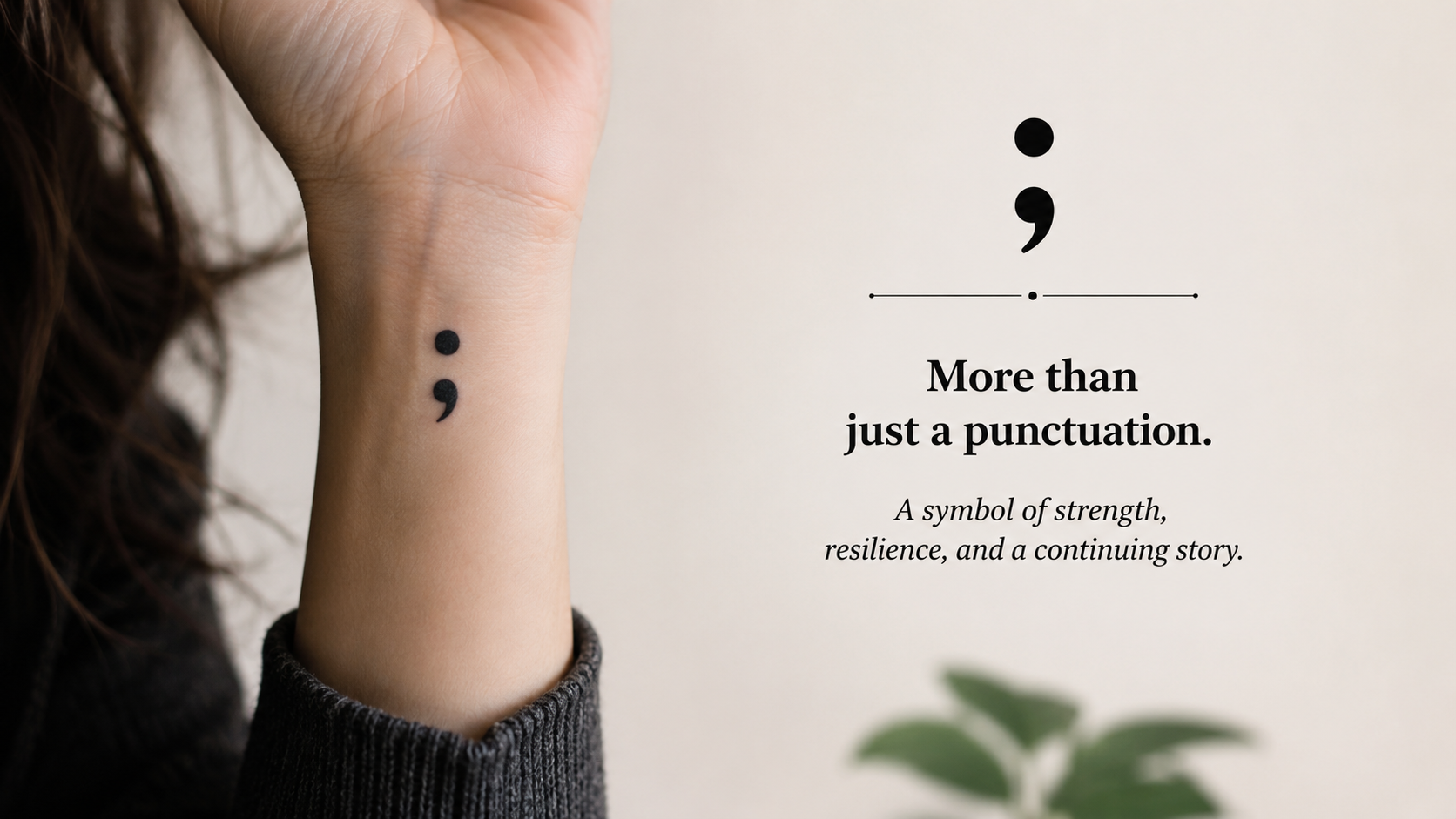
The semicolon tattoo is a mental health awareness symbol that represents the choice to continue living rather than end one’s story. In grammar, a semicolon connects two independent clauses when the author could have ended the sentence but chose not to. People who get this tattoo apply that same idea to their own lives: they are the author, and their story isn’t over. It’s closely associated with suicide prevention and mental health advocacy.
The Origin of the Semicolon Tattoo
The semicolon tattoo traces back to a nonprofit organization called Project Semicolon, founded in 2013 by Amy Bleuel in the United States. Bleuel started the project as a response to her own struggles with mental health and in memory of her father, who died by suicide.
The idea was straightforward but powerful. In writing, a semicolon is used when an author could have chosen to end a sentence but decided to continue it instead. Bleuel applied that concept to human lives: a person facing mental health struggles, suicidal thoughts, or emotional crisis is the author of their own story, and the semicolon represents the moment they chose to keep writing it.
Project Semicolon encouraged people to draw a semicolon on their wrist on April 16, 2013 — a single day of solidarity. The response was immediate and overwhelming. What started as a social media movement grew into a global community. Thousands of people shared photos of their semicolons, and many chose to make the symbol permanent by getting it tattooed.
Amy Bleuel herself died by suicide in 2017, at age 31. Her passing was a sobering reminder of how difficult and ongoing the struggle with mental illness can be, even for those who dedicate their lives to advocacy. Project Semicolon continued after her death and remains active in mental health awareness work.
What the Semicolon Symbolizes
The Grammar Metaphor
The power of the semicolon symbol comes from its grammatical function. When a writer uses a semicolon, they’re making a deliberate choice: the sentence could end here, but it doesn’t. The story continues.
For people who have faced suicidal thoughts, a mental health crisis, self-harm, addiction, or depression, that metaphor carries real emotional weight. They were at a point where their story could have ended — and they chose to keep going. The tattoo marks that choice.
Mental Health Awareness
Beyond its personal meaning to individuals, the semicolon tattoo functions as a public statement of mental health awareness. When someone wears it visibly, it can open conversations that might otherwise never happen. Someone struggling in silence might notice the tattoo, realize the person wearing it understands something about that pain, and feel less alone.
That sense of solidarity is central to why the symbol resonated so widely. It’s not just about individual survival — it signals community and shared experience.
Common Placement and Design Variations
Where People Get It
The wrist is by far the most common placement for a semicolon tattoo. This makes sense symbolically — the wrist is visible, and for many survivors of self-harm or suicidal crises, the wrist carries its own significance. Wearing the semicolon there is a reclaiming of that part of the body.
Other common placements include behind the ear, on the finger, on the ankle or foot, on the collarbone, and on the forearm. Some people choose a discreet spot that’s meaningful to them personally rather than publicly visible.
Design Variations
The tattoo can be as simple as a small, plain semicolon — just the punctuation mark in black ink, usually quite small. Many people choose exactly this: minimal, clean, and unadorned.
Others incorporate the semicolon into a larger design. Common variations include:
Semicolon butterfly: The top dot of the semicolon becomes the body of a butterfly, with wings extending outward. The butterfly represents transformation and freedom from a dark period.
Semicolon with a heartbeat line: The flat line of an EKG or heartbeat runs through the semicolon, connecting life and survival visually.
Semicolon as part of a word or phrase: Some people incorporate the semicolon into a meaningful word or phrase, letting it serve both as punctuation and as symbol.
Floral designs: The semicolon is woven into flowers or botanical elements, adding a softer, more decorative quality while keeping the core symbol intact.
The design someone chooses is personal. Some people want bold visibility; others want something small and quiet that belongs to them alone.
The Mental Health Context: Why This Symbol Matters
Mental health conditions affect a significant portion of the global population. Depression, anxiety disorders, PTSD, bipolar disorder, and other diagnoses are widespread, yet stigma around them persists in many communities. People often feel ashamed to talk about their experiences, reluctant to seek help, or afraid of how others will perceive them.
That stigma has real consequences. People delay treatment, avoid reaching out, and suffer in isolation when they don’t have to.
The semicolon movement addresses stigma directly. By making mental health struggles visible — literally putting them on the body — it challenges the idea that these experiences should be hidden. It sends a message that survival is something to be acknowledged, not minimized.
For someone who has never experienced a mental health crisis, seeing the tattoo might prompt them to learn more, to check in on someone they know, or to become more thoughtful about how they talk about mental illness. For someone in the middle of their own struggle, seeing it on a stranger can be a quiet but meaningful reminder that they’re not alone.
Misconceptions About the Semicolon Tattoo
It’s Only for People Who Have Attempted Suicide
This is one of the most common misunderstandings. The semicolon tattoo is not exclusively for suicide attempt survivors. It belongs to anyone who has faced mental health challenges — including depression, anxiety, self-harm, eating disorders, addiction, or loss. It also belongs to those who support others through those struggles. The symbol is inclusive by design.
It Means the Person Is in Crisis
Some people worry that seeing a semicolon tattoo means the person is currently struggling or at risk. That’s not what it signifies. The tattoo typically represents survival and the ongoing choice to continue — not an active crisis. It looks backward at a difficult chapter and forward with intention.
It’s a Recent Trend Without Real Meaning
Because the semicolon tattoo became popular quickly and spread widely through social media, some dismiss it as a passing trend. But for the majority of people who get it, the meaning is serious and lasting. Unlike many tattoo trends, this one is tied to lived experience rather than aesthetics alone.
It’s Disrespectful to Get It Without Personal Experience
Some debate exists online about whether people without direct mental health struggles “should” get this tattoo. This is ultimately a personal decision. Project Semicolon’s original message was broadly inclusive — the symbol was meant to build community and awareness, not gatekeep suffering. Many people get it in memory of someone they lost, or simply as an act of solidarity.
Amy Bleuel and the Legacy of Project Semicolon
Amy Bleuel’s story is inseparable from the semicolon tattoo meaning. She didn’t set out to start a global movement. She started with a simple idea born from personal grief and the belief that a shared symbol could help people feel less alone.
What she built grew beyond anything she likely imagined. Project Semicolon became a recognized nonprofit, partnered with mental health organizations, and inspired millions of people to get the tattoo and share their own stories.
Her death in 2017 was difficult for the community she had created. It raised honest conversations about the nature of mental illness — that advocacy and survival don’t make someone immune, and that struggling doesn’t erase the meaning of what someone has contributed. The organization continued its work, carrying her original mission forward.
Her story is part of why the tattoo carries such weight. It comes from a real person who understood the pain behind it from the inside.
Key Facts
- The semicolon tattoo originated with Project Semicolon, founded by Amy Bleuel in 2013.
- The grammatical meaning of a semicolon — connecting two clauses when the author could have ended the sentence — is the core of the symbol.
- The tattoo represents survival, mental health awareness, and the choice to continue one’s story.
- It is associated with suicide prevention, depression, anxiety, self-harm recovery, and related mental health experiences.
- The wrist is the most common placement, though many people choose other locations.
- Amy Bleuel, the founder of Project Semicolon, died by suicide in 2017 at age 31.
- The symbol is used globally and recognized across cultures as a mental health awareness marker.
- April 16 was the original Project Semicolon solidarity day when people were asked to draw a semicolon on their wrist.
FAQ
Q1: What does a semicolon tattoo mean?
Ans: A semicolon tattoo represents the choice to continue living when a person’s story could have ended. It’s a mental health awareness symbol rooted in the grammatical function of the semicolon — a pause, not a stop. It’s closely associated with suicide prevention and survival from mental health struggles.
Q2: Who started the semicolon tattoo movement?
Ans: Amy Bleuel founded Project Semicolon in 2013 in the United States. She created the movement in response to her own mental health experiences and in memory of her father, who died by suicide. The project grew into a global mental health awareness campaign.
Q3: Do you have to have attempted suicide to get this tattoo?
Ans: No. The semicolon tattoo is for anyone who has faced mental health challenges, lost someone to suicide, or wants to stand in solidarity with those who have. It was designed to be inclusive, not exclusive.
Q4: What does a semicolon tattoo on the wrist mean specifically?
Ans: Placement on the wrist is the most traditional location. For many people, the wrist holds personal significance related to self-harm or crisis. Wearing the semicolon there is a symbolic reclaiming of that part of the body — a mark of survival and continued choice.
Q5: Is the semicolon tattoo only popular in the United States?
Ans: No. While Project Semicolon started in the United States, the symbol spread internationally through social media. People around the world wear it as a mental health awareness symbol, and it’s recognized across many cultures and countries.
Q6: What do variations like the semicolon butterfly mean?
Ans: The semicolon butterfly combines the semicolon with butterfly imagery, where the dot of the semicolon forms the butterfly’s body. The butterfly adds symbolism of transformation and emerging from a difficult period. Other variations like the heartbeat line emphasize life and survival.
Q7: Is it appropriate to get a semicolon tattoo to support a friend or family member?
Ans: Yes. Many people get the tattoo as a way of honoring someone they love who has struggled with mental health or who died by suicide. The symbol was always intended to build community and show solidarity, not just to mark personal experience.
Q8: What should I know before getting a semicolon tattoo?
Ans: Understand what it means and why it resonates with you personally. Consider placement — visible spots like the wrist will invite questions and conversations. Think about whether you’re comfortable discussing its meaning with others who ask. And if you’re currently in a difficult mental health period, make sure the decision is considered rather than impulsive.
Key Takeaways
- The semicolon tattoo meaning is rooted in mental health advocacy: the semicolon represents a choice to continue one’s story rather than end it.
- The symbol originated with Project Semicolon, founded by Amy Bleuel in 2013.
- It applies the grammatical function of the semicolon — connecting rather than ending — to human lives and the experience of surviving mental health struggles.
- The tattoo is not limited to suicide attempt survivors; it belongs to anyone touched by mental health challenges.
- Common placements include the wrist, behind the ear, and the forearm. Designs range from a simple mark to elaborate compositions.
- The symbol functions both as a personal statement and as a public conversation starter about mental health stigma.
- Amy Bleuel, the movement’s founder, died by suicide in 2017, adding a layer of complexity and humanity to the legacy of the symbol she created.
Conclusion
The semicolon tattoo meaning is simple on the surface and layered underneath. A punctuation mark that connects rather than ends — applied to human life, survival, and the ongoing choice to keep writing one’s story.
For the people who wear it, it marks something real. A period of darkness they came through. A person they lost. A commitment to being visible about something that too many people still feel they have to hide.
Understanding what it means is the first step to understanding why it continues to matter — and why a small mark in ink can carry so much.


Sam Huntington: Career, Roles, and Life Today

Jason London: Career, Life, and Notable Roles

Ronaldo Net Worth: How Rich Is Cristiano Ronaldo?

Is Netanyahu Dead? The Viral Rumor, the Facts, and How It Spread

How to Unclog a Toilet: Proven Methods That Actually Work

Area Code 505: Location, Cities & Full Guide
-
 Politics4 months ago
Is Netanyahu Dead? The Viral Rumor, the Facts, and How It Spread
-
 Home4 months ago
How to Unclog a Toilet: Proven Methods That Actually Work
-
 Technology3 months ago
Area Code 505: Location, Cities & Full Guide
-

 News4 months ago
Trump appoints Erika Kirk Air Force: Fact Check, Context, and What’s Actually Known
-
 Lifestyle4 months ago
Semicolon Tattoo Meaning: What It Represents and Why People Get It
-

 Sports3 months ago
Maryland vs Wisconsin: 2026 Game Recap and Key Stats
-
 Lifestyle3 months ago
Hailey Summers: Who Is Shai Gilgeous-Alexander’s Wife?
-
 Celebrity News4 months ago
Hannah Selleck: Who She Is, Her Equestrian Career, and Life Beyond Hollywood