
News
Games From USA: A Guide to American Video Game Development


Introduction
The United States has shaped video gaming from its earliest arcade cabinets to today’s massive open-world blockbusters. If you’re searching for games from USA, you might be trying to figure out which studios are actually American, which classic or current titles were made domestically, or just how big the US gaming industry really is compared to Japan, the UK, or other major gaming countries. This article walks through what “American-made” actually means for a video game, which companies and franchises define the industry, and how the US gaming landscape compares to the rest of the world.
Direct Answer
Games from USA refers to video games developed or published by American companies, including major studios like Microsoft’s Xbox Game Studios, Sony Interactive Entertainment’s US-based teams, Take-Two Interactive’s Rockstar Games and 2K, Epic Games, and Bethesda. The United States has the largest video game industry in the world by economic output, generating over $90 billion annually and supporting hundreds of thousands of jobs across development, publishing, and related sectors.
What Counts as an American Video Game?
Figuring out whether a game is “American” isn’t always as simple as checking where it’s sold. A few factors typically determine this.
Developer location. The most common way to classify a game’s origin is by where the studio that built it is headquartered. A game developed by a studio based in California, Washington, or Texas is generally considered an American game, regardless of where it’s later published or sold.
Publisher versus developer. Sometimes a game is developed by a studio in one country but published by a company headquartered elsewhere, or the reverse. For example, an American publisher might distribute a game built by a studio based in Poland or Japan. In these cases, people often describe the game by its developer’s nationality rather than the publisher’s, since the developer is the team that actually built the game.
Corporate ownership versus original founding. Some studios were founded in the US but are now owned by companies headquartered elsewhere, or vice versa. Activision Blizzard, for instance, was an American company before becoming part of Microsoft Gaming, itself a US-based division. Ownership structures like this can make classification more about historical context than a single clean answer.
A Brief History of American Video Games
The United States played a foundational role in the early video game industry, starting with arcade machines and home consoles in the 1970s. Atari, founded in California in 1972, became one of the most influential early American game companies, releasing arcade hits and home systems that helped define the medium. The industry saw a significant slowdown in the early 1980s, often referred to as the video game crash of 1983, which reshaped how American companies approached game development and publishing for years afterward.
Following that period, American studios rebuilt steadily through the 1990s and 2000s, with companies like id Software pioneering the first-person shooter genre, and studios such as Blizzard Entertainment and Bethesda Softworks building long-running franchises that remain popular today. The rise of console gaming with Microsoft’s entry into the market through the original Xbox in 2001 marked another major turning point, establishing the US as a direct competitor to Japan’s dominance in console hardware.
Major American Game Studios and Publishers
Several companies define the current landscape of games from USA. Here’s an overview of some of the most significant ones.
Microsoft Gaming
Headquartered in Redmond, Washington, Microsoft Gaming oversees Xbox Game Studios along with major acquisitions including Bethesda Softworks and Activision Blizzard. Popular franchises under this umbrella include Halo, Gears of War, Forza Horizon, and Minecraft, along with Bethesda properties like The Elder Scrolls and Fallout.
Take-Two Interactive
Take-Two is an American holding company known primarily through its subsidiary labels, Rockstar Games and 2K. Rockstar is behind some of the best-selling entertainment products in any medium, including the Grand Theft Auto series, while 2K publishes sports titles and other major franchises.
Epic Games
Based in North Carolina, Epic Games is best known for Fortnite, one of the most commercially successful games ever released, along with the Unreal Engine, a development tool widely used across the gaming industry and beyond, including in film production.
Bethesda Softworks
Bethesda, now operating under Microsoft, is known for expansive, open-world role-playing games. Its long-running franchises include The Elder Scrolls and Fallout, and it also publishes titles from studios it owns, including id Software and Arkane.
Warner Bros. Games
Warner Bros. Games combines its entertainment properties with internal development studios like NetherRealm Studios and Rocksteady. Its output includes the Mortal Kombat series, the Batman: Arkham games, and licensed titles built around Warner Bros. film and television properties.
Why the US Gaming Industry Matters
The scale of the American video game industry goes well beyond entertainment value. According to industry data, the US video game sector generated over $90 billion in annual economic output and supported more than 400,000 jobs, spanning direct development roles as well as related industries. This makes it one of the largest entertainment sectors in the country, comparable in scale to more traditional industries like film and music.
Beyond the economic footprint, American studios have played a significant role in shaping how games are made and distributed globally. Development tools built by US companies, like Epic’s Unreal Engine, are used by developers across the world, extending American influence on game development well beyond games made domestically.
How American Games Compare Globally
The US isn’t the only major player in the global games industry. Japan, the UK, Canada, and Sweden all host significant development studios and publishers that regularly appear alongside American companies on best-seller lists. Japan in particular remains a dominant force through companies like Nintendo, Sony, and Capcom, with console gaming traditions and franchises, such as The Legend of Zelda and Pokémon, that predate much of the current American industry’s largest hits.
What sets the US apart isn’t exclusivity, it’s scale and diversity. American companies dominate certain categories, particularly open-world and live-service games, mobile-first titles, and game engine development, while other countries lead in different genres and platforms. Many of the biggest titles released today involve collaboration across multiple countries, with development, publishing, localization, and marketing often split across teams in different parts of the world.
Common Misconceptions
That a game’s setting determines its country of origin. A game set in an American city or featuring American culture isn’t necessarily developed by an American studio. Plenty of games built by international teams are set in the United States, and plenty of American-developed games are set in entirely different countries or fictional worlds.
That publisher headquarters and developer headquarters are always the same. As covered earlier, a game can be published by a US company while being developed by a studio based elsewhere, or the reverse. Checking the specific developer credit, rather than just the publisher’s country, gives a more accurate picture.
That bigger studios represent the entire American games industry. While companies like Microsoft, Take-Two, and Epic dominate headlines and revenue figures, the US game industry also includes thousands of smaller independent studios producing everything from mobile games to niche PC titles, many of which never appear on major sales charts but still contribute meaningfully to the industry’s size and diversity.
Key Facts
- The US video game industry generates more than $90 billion in annual economic output.
- Major American publishers include Microsoft Gaming, Take-Two Interactive, Epic Games, and Warner Bros. Games.
- Atari, founded in 1972, was one of the earliest and most influential American video game companies.
- The Unreal Engine, developed by North Carolina-based Epic Games, is used by more than half of major AAA game studios worldwide.
- The US is home to over 1,100 registered game companies, according to industry directories tracking the sector.
- American studios lead in genres including open-world games, live-service titles, and game engine development.
Frequently Asked Questions
Q1:What does “games from USA” mean?
Ans: It generally refers to video games developed or published by companies headquartered in the United States, including major studios like Microsoft Gaming, Take-Two Interactive, and Epic Games.
Q2: How do I know if a video game was made in the US?
Ans: Checking the developer credit listed in the game or on its official store page is the most reliable method. The developer, not necessarily the publisher, indicates which studio actually built the game and where that studio is based.
Q3: Which country makes the most video games?
Ans: The United States has the largest video game industry by economic output and revenue, though Japan, the UK, Canada, and other countries also host major development studios and publishers that compete globally.
Q4: Are American video games different in style from games made elsewhere?
Ans: American studios have become particularly known for open-world design, live-service games, and licensed entertainment tie-ins, while other regions, such as Japan, have distinct traditions in genres like role-playing games and platformers. That said, styles increasingly overlap as development teams collaborate internationally.
Q5: Is the US video game industry still growing?
Ans: Industry projections suggest continued growth for the American gaming sector, driven by mobile gaming, cross-platform development, and the ongoing popularity of live-service and subscription-based gaming models.
Q6: What are some well-known franchises that came from American studios?
Ans: Examples include Halo, Gears of War, and Minecraft from Microsoft-owned studios, Grand Theft Auto from Rockstar Games, Fortnite from Epic Games, and The Elder Scrolls and Fallout from Bethesda.
Key Takeaways
- Games from USA refers to titles developed or published by American companies, determined primarily by the developer’s headquarters location.
- Major American studios and publishers include Microsoft Gaming, Take-Two Interactive, Epic Games, Bethesda Softworks, and Warner Bros. Games.
- The US video game industry generates over $90 billion annually and supports hundreds of thousands of jobs.
- American studios lead in specific genres, particularly open-world and live-service games, while other countries maintain strong traditions in other styles.
- A game’s setting or cultural theme doesn’t necessarily indicate which country developed it.
Conclusion
Games from USA cover a wide range of studios, genres, and eras, from Atari’s early arcade cabinets to the massive open-world and live-service titles dominating today’s charts. Understanding what actually makes a game “American,” through developer headquarters rather than setting or publisher alone, gives a clearer picture of just how large and varied this part of the global games industry really is.
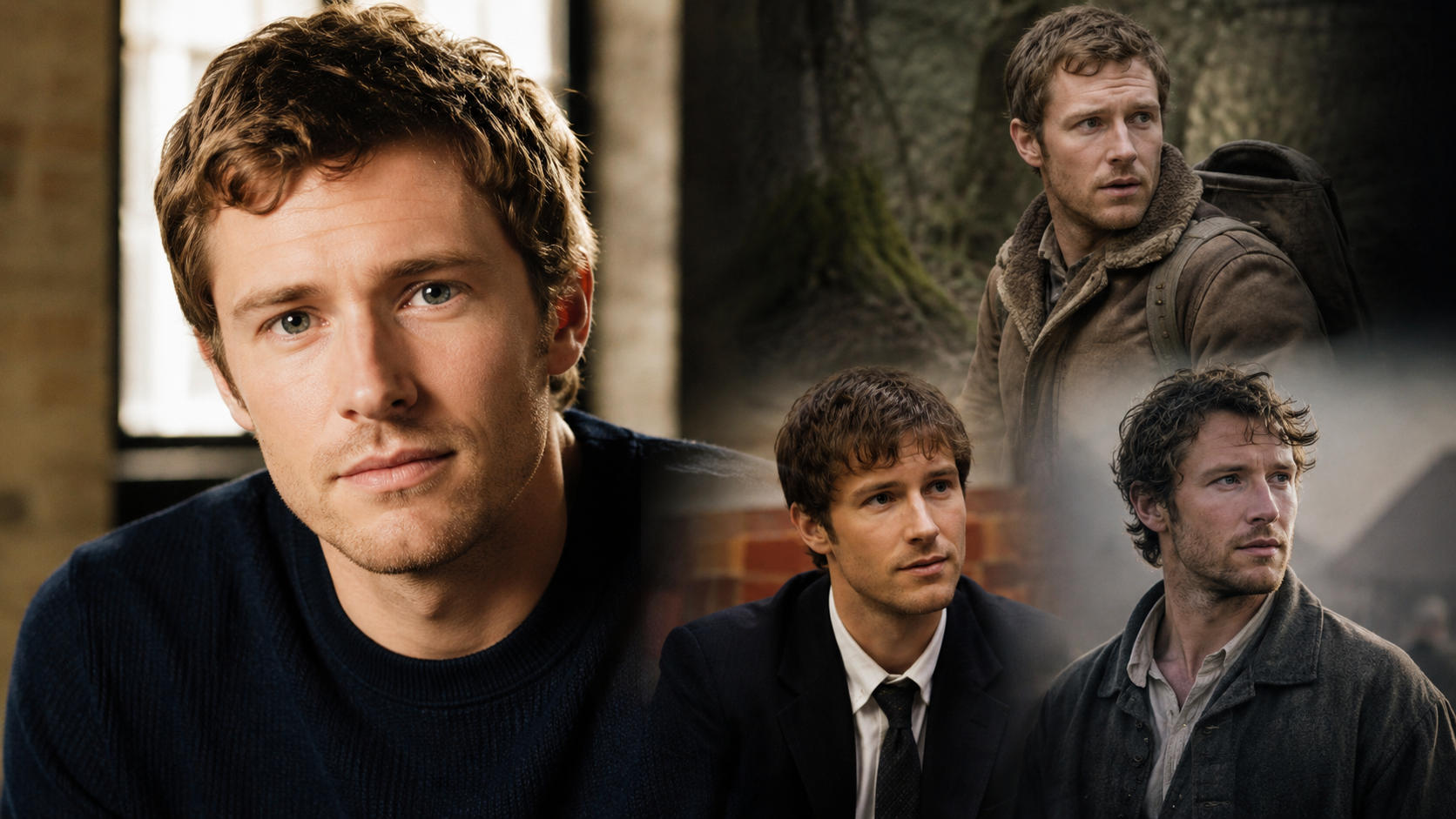
Introduction
If the name Sam Huntington sounds familiar but you can’t quite place him, that’s a pretty common reaction. He’s one of those actors who’s been steadily working since childhood, showing up in a wide range of projects — a Syfy werewolf drama, a Superman movie, a Clint Eastwood film about a real-life plane crash — without ever becoming a household name attached to just one role. This article covers who he is, how his career developed, and what he’s been doing more recently.
Direct Answer
Sam Huntington is an American actor born April 1, 1982, in Peterborough, New Hampshire. He’s best known for playing Josh Levison, a werewolf, on the Syfy series Being Human (2011–2014), and Jimmy Olsen in the film Superman Returns (2006). He began acting as a child and has built a long career spanning film and television, with recent roles including A Man on the Inside (2025) and Bride Hard (2025).
Who Is Sam Huntington?
Sam Huntington was born on April 1, 1982, to David Sherwood Huntington Jr. and Christine Stabile, and was raised in Hancock, New Hampshire. He comes from a family with deep entertainment industry ties: his mother is an actress who appeared in the soap opera Knots Landing and later ran a children’s theater, and his great-uncle was Ralph Bellamy, the actor who won an Academy Award for lifetime achievement. When Bellamy died, he left his Oscar to Huntington.
Early Life and Start in Acting
Huntington began performing at age nine under his mother’s direction at her children’s theater, The Black Box. He went on to perform for several seasons at the Peterborough Players, a respected regional theater, taking on roles including Jem in a stage production of To Kill a Mockingbird. His mother later became his manager as his career moved from local theater toward professional acting work.
His first professional screen credit came in 1995, playing a character called “Joystick Johnny” in a Microsoft Windows 95 instructional video that also starred Jennifer Aniston and Matthew Perry — an unusual but real first credit for an actor who’d go on to a long film and TV career. He appeared in a supporting role in the 1996 TV movie Harvest of Fire before landing a more prominent part in Disney’s Jungle 2 Jungle (1997), starring opposite Tim Allen. His performance in that film earned him a Saturn Award nomination for Best Performance by a Younger Actor and led to a three-picture contract with Disney, though Jungle 2 Jungle ended up being the only film made under that deal.
Rise Through Film in the Late 1990s and 2000s
After his early Disney work, Huntington moved into a run of films aimed at teen and young-adult audiences. He appeared in Detroit Rock City (1999) and Not Another Teen Movie (2001), two films that helped establish him in Hollywood during his teenage and early adult years. He continued working through the 2000s in a mix of independent films, including Rolling Kansas (2003), Sleepover (2004), and Freshman Orientation (2004), along with guest appearances on procedural dramas like CSI: Miami, CSI: NY, and Veronica Mars.
“Superman Returns” and Wider Recognition
Huntington’s most widely seen film role came in 2006, when he was cast as Jimmy Olsen in Bryan Singer’s Superman Returns. Playing a well-known character from the Superman mythology in a major studio blockbuster gave him significantly more visibility than his earlier independent film work, and it remains one of the roles he’s most recognized for.
He followed that with a starring role in Fanboys (2009), a comedy about devoted Star Wars fans that’s developed a cult following of its own, and later reunited with Superman Returns co-star Brandon Routh in the horror-comedy Dylan Dog: Dead of Night (2011).
“Being Human” and Television Work
In 2011, Huntington landed his most significant television role, playing Josh Levison, a werewolf, in Syfy’s Being Human, an American adaptation of the British series of the same name. The show ran for four 13-episode seasons, concluding with its finale in April 2014, and gave Huntington a starring role that ran for an extended, consistent period — a different kind of career milestone than a single film appearance, since it let audiences follow the same character over several years.
After Being Human ended, Huntington took on a recurring role as quirky coroner Mitchie Mendelson on the Fox series Rosewood, appearing as a “special guest star” from 2015 through the show’s cancellation in 2017. He’s also had guest appearances on shows including The Expanse, iZombie, Good Girls, and The Resident.
Recent Work
Huntington appeared in Clint Eastwood’s Sully (2016), the biographical drama about Captain Chesley “Sully” Sullenberger, playing Jeff Kolodjay, one of the real passengers on the flight that famously landed in the Hudson River. More recently, he’s continued working steadily, with credits including The Last Stop in Yuma County (2023), and in 2025, roles in the films Bride Hard and Out of Order, along with a six-episode run on the Netflix comedy series A Man on the Inside.
Personal Life
Huntington married actress and producer Rachel Klein in 2006. The couple has two children together. He’s occasionally shared glimpses of his family life on social media over the years, reflecting a fairly private personal life relative to his level of industry visibility.
Common Mistakes and Misconceptions
Misconception: Sam Huntington is a new or up-and-coming actor. He’s actually been working professionally since childhood in the mid-1990s, making his career more than three decades long by 2026 — he’s simply worked across enough varied, mid-sized projects that he hasn’t become a single-role household name the way some of his peers have.
Misconception: He’s only known for one role. Depending on when someone became a fan of his work, they might know him primarily from Being Human, Superman Returns, Fanboys, or Sully — his filmography spans multiple genres and eras rather than centering on one signature project.
Misconception: His career slowed down after “Being Human” ended. Public records of his work show consistent film and TV credits well past the show’s 2014 finale, including notable projects like Sully (2016) and continued acting work through 2025.
Real-World Example: A Working Actor’s Career Arc
Huntington’s filmography is a useful illustration of what a sustainable, working actor’s career often looks like in practice — as opposed to the more dramatic “overnight star” narrative some actors experience. He moved from child performer, to teen-comedy supporting roles, to a blockbuster franchise appearance, to a multi-season genre television lead, to steady guest and supporting work across procedural dramas and streaming comedies. Each stage built on relationships and visibility from the last, rather than any single breakout moment defining his entire career.
Key Facts
- Full name: Sam Huntington
- Born: April 1, 1982, in Peterborough, New Hampshire
- Best known roles: Josh Levison in Being Human (2011–2014); Jimmy Olsen in Superman Returns (2006)
- Notable films: Jungle 2 Jungle (1997), Detroit Rock City (1999), Not Another Teen Movie (2001), Fanboys (2009), Sully (2016)
- Family: Great-nephew of Academy Award winner Ralph Bellamy; mother is actress Christine Stabile
- Spouse: Rachel Klein, married 2006
- Children: Two
- Recent credits: The Last Stop in Yuma County (2023), A Man on the Inside (2025), Bride Hard (2025)
Frequently Asked Questions
Q1: What is Sam Huntington best known for?
Ans: He’s best known for playing werewolf Josh Levison on Syfy’s Being Human and Jimmy Olsen in Superman Returns (2006).
Q2: How did Sam Huntington start acting?
Ans: He began performing at age nine at his mother’s children’s theater in New Hampshire, later working in regional theater before moving into professional film and television roles as a teenager.
Q3: Is Sam Huntington related to Ralph Bellamy?
Ans: Yes. Ralph Bellamy, who won an Academy Award for lifetime achievement, was Huntington’s great-uncle, and Huntington was given the Oscar after Bellamy’s death.
Q4: Is Sam Huntington still acting?
Ans: Yes. He has continued working steadily, with credits including A Man on the Inside and Bride Hard, both released in 2025.
Q5: What other notable roles has Sam Huntington had?
Ans: Beyond his best-known parts, he’s appeared in Detroit Rock City, Not Another Teen Movie, Fanboys, Dylan Dog: Dead of Night, Sully, and Rosewood, among many other film and TV credits.
Q6: Is Sam Huntington married?
Ans: Yes. He married actress and producer Rachel Klein in 2006, and the couple has two children together.
Key Takeaways
- Sam Huntington is an American actor born in 1982 who began performing professionally as a child in the mid-1990s.
- He’s best known for his roles in Being Human and Superman Returns, though his filmography spans comedy, drama, and genre television.
- He comes from an entertainment industry family, including ties to Academy Award winner Ralph Bellamy.
- He’s continued working consistently in film and television well past his most famous roles, with new credits as recent as 2025.
- He’s been married to actress and producer Rachel Klein since 2006 and has two children.
Conclusion
Sam Huntington’s career reflects the kind of steady, adaptable path that keeps an actor working across decades, even without a single defining blockbuster franchise attached to his name. From a childhood start in regional New Hampshire theater to a multi-season genre television lead and continued film and streaming work through 2025, his filmography tells the story of a working actor who’s kept finding new roles across more than 30 years in the industry.

Introduction
Most people who search for Jason London remember him from one specific role: Randall “Pink” Floyd in Dazed and Confused. But that 1993 breakout is really just the starting point of a career that’s spanned more than three decades, dozens of films, and a steady stream of independent and TV work most casual fans never hear about. This article covers his background, his most notable roles, and what he’s been doing more recently.
Direct Answer
Jason London is an American actor born November 7, 1972, in San Diego, California. He’s best known for playing Randall “Pink” Floyd in Richard Linklater’s Dazed and Confused (1993). He’s the identical twin brother of actor Jeremy London, and his other notable roles include To Wong Foo, Thanks for Everything! Julie Newmar (1995), The Rage: Carrie 2 (1999), and Out Cold (2001). He has continued acting steadily in independent films and television through the 2020s.
Who Is Jason London?
Jason Paul London was born November 7, 1972, in San Diego, California, to Debbie Osborn, a waitress, and Frank London, a sheet metal worker. His parents divorced when he was young, and his mother moved the family 13 times over six years, largely settling in DeSoto, Texas, where he was mainly raised.
Family Background
London is an identical twin. His brother, Jeremy London, born 27 minutes after him, is also a working actor, known primarily for television roles. The two have appeared on screen together more than once, including in the 2022 film Hunt Club and a 2003 episode of 7th Heaven. The twins also had a younger sister, Dedra London, who was an actor as well; she died in a car accident in 1992 at age 16.
How Jason London Got His Start
London’s entry into acting happened almost by accident. In his junior year of high school, his twin brother Jeremy wanted to audition for the 1991 film The Man in the Moon. Jason gave him a ride to the audition and decided to try out for the role himself — and ended up landing the part, with Jeremy working as his stunt double on the project. That film, starring alongside Reese Witherspoon, became his acting debut.
From there, London quickly picked up additional roles, including television movies like Blood Ties and False Arrest, along with the feature film December, all within his first year in the industry.
Breakout Role: “Dazed and Confused”
London’s defining role came in 1993, when he was cast as Randall “Pink” Floyd, the star quarterback and moral center of Richard Linklater’s coming-of-age comedy Dazed and Confused. Set on the last day of school in 1976, the film became a cult classic over the years, and London’s performance earned him a Young Artist Award nomination for Best Youth Actor Co-Starring in a Motion Picture Drama.
The role established him as a leading man in Hollywood and remains, decades later, the project most people associate with his name — a common pattern for actors whose breakout role happens to become a generational touchstone film.
Career After “Dazed and Confused”
1990s: Building a Filmography
Following his breakout, London took on a run of notable roles throughout the 1990s. He starred in Safe Passage (1994) alongside Susan Sarandon, played Bobby Ray in To Wong Foo, Thanks for Everything! Julie Newmar (1995), and appeared in Fall Time (1995), which premiered at the Sundance Film Festival and was nominated for the festival’s Grand Jury Prize.
In 1998, he co-starred with Todd Field in Broken Vessels, a role that drew strong critical notice — Roger Ebert praised the film’s performances, and Variety’s Leonard Klady specifically highlighted London’s turn as a compelling shift from a boyish, likable persona into something darker. The film won the Audience Award for Feature Film at the LA Film Festival.
2000s: Genre Roles and Cult Films
London continued working steadily through the 2000s, often in roles that leaned into rebellious or edgy characters. Notable films from this period include The Rage: Carrie 2 (1999), the NBC miniseries Jason and the Argonauts (2000), and Out Cold (2001), a snowboarding comedy also featuring Lee Majors, Willie Garson, and Zach Galifianakis that’s since developed a cult following.
He also played skateboarding legend Jimmy Wilson in Grind (2003) alongside Adam Brody, Bam Margera, and Tom Green, and appeared in the Halloween-set comedy Wasabi Tuna (2003) with Anna Nicole Smith and Tim Meadows.
Television Work
Beyond film, London has built a substantial television résumé, with guest and recurring roles on shows including CSI: Crime Scene Investigation, Criminal Minds, Grey’s Anatomy, Ghost Whisperer, NCIS, Dallas, Scandal, and Major Crimes. He also had a recurring role on Wildfire across its first two seasons.
2010s–2020s: Independent Film and a Career Resurgence
In the 2010s and 2020s, London shifted primarily toward independent film work, appearing in dozens of smaller productions across genres including thrillers, dramas, and faith-based films. Several of these projects have earned him film festival recognition, including a Best Supporting Actor win at the 2015 Hoboken International Film Festival for Awaken and a Best Actor win at the 2017 Hill Country Film Festival for As Far as the Eye Can See.
More recently, his 2023 film The Martini Shot, co-starring Matthew Modine and John Cleese, was critically well-received and picked up several awards for Best Ensemble Cast, including at the Northeast Film Festival and the Beaufort International Film Festival. In 2026, he appeared in Neglected alongside Josh Duhamel, Dylan Sprouse, and his brother Jeremy London.
Personal Life
London was previously married to actress Charlie Spradling; the two wed in 1997 and divorced in 2006. They have one daughter together, born in 1995. In 2011, London married actress Sofia Karstens in a ceremony at her family’s home in North Hero, Vermont, following their 2010 engagement.
London has also had a couple of public legal incidents over the years: he was arrested in 2013 for punching a bouncer, and again in 2021 for public intoxication. These incidents have been reported in entertainment news but haven’t significantly derailed his acting career, which has continued steadily since.
Common Mistakes and Misconceptions
Misconception: Jason London and Jeremy London are the same person. They’re identical twins, not the same actor, which leads to frequent mix-ups online. Jason is best known for film work like Dazed and Confused, while Jeremy has worked primarily in television.
Misconception: Jason London’s career ended after the 1990s. While his most famous role came early in his career, London has continued acting consistently for over three decades, with a substantial body of independent film and television work well into the 2020s.
Misconception: He only plays likable, wholesome characters. Much of London’s post-breakout work leaned into edgier, more troubled characters — addicts, criminals, and morally ambiguous figures — a notable contrast to the responsible, grounded persona he’s most associated with from Dazed and Confused.
Real-World Example: A Career Built on Independent Film Longevity
London’s post-2010 career is a useful example of how actors who don’t stay in blockbuster franchises can still sustain long careers through independent film. Rather than chasing studio tentpoles, he’s taken on dozens of smaller festival films, several of which have earned him direct acting awards rather than just paychecks. That’s a different kind of career sustainability than headline-grabbing box office success, but it’s kept him working continuously in a highly competitive industry.
Key Facts
- Full name: Jason Paul London
- Born: November 7, 1972, in San Diego, California
- Best known role: Randall “Pink” Floyd in Dazed and Confused (1993)
- Twin brother: Actor Jeremy London
- Notable films: To Wong Foo, Thanks for Everything! Julie Newmar, Broken Vessels, The Rage: Carrie 2, Out Cold, Grind, The Martini Shot
- Marriages: Charlie Spradling (1997–2006); Sofia Karstens (married 2011)
- Children: One daughter, born 1995
- Notable TV credits: CSI, Criminal Minds, Grey’s Anatomy, NCIS, Dallas
- Recent work: The Martini Shot (2023), Neglected (2026)
Frequently Asked Questions
Q1: What is Jason London best known for?
He’s best known for playing Randall “Pink” Floyd in Richard Linklater’s Dazed and Confused (1993).
Q2: Is Jason London related to Jeremy London?
Yes. They’re identical twin brothers, both actors, with Jeremy born 27 minutes after Jason.
Q3: Is Jason London still acting?
Yes. He has continued working steadily in independent films and television, with recent credits including The Martini Shot (2023) and Neglected (2026).
Q4: Was Jason London married?
He was married to actress Charlie Spradling from 1997 to 2006, with whom he has a daughter. He later married actress Sofia Karstens in 2011.
Q5: What other notable films has Jason London appeared in?
Beyond Dazed and Confused, his notable credits include To Wong Foo, Thanks for Everything! Julie Newmar, Broken Vessels, The Rage: Carrie 2, Out Cold, and Grind.
Q6: Has Jason London won any acting awards?
He’s received several festival awards for his more recent independent film work, including Best Supporting Actor at the Hoboken International Film Festival (2015) and Best Actor at the Hill Country Film Festival (2017).
Key Takeaways
- Jason London is an American actor born in 1972, best known for his breakout role in Dazed and Confused.
- He’s the identical twin brother of actor Jeremy London, and the two have occasionally worked together on screen.
- His career has spanned film and television consistently since 1991, moving from studio and genre films in the 1990s and 2000s toward independent film work in more recent years.
- He’s earned multiple film festival awards for his later career roles, including work in The Martini Shot (2023).
- He remains an active working actor, with new film credits released as recently as 2026.
Conclusion
Jason London’s career is a good example of how a defining early role doesn’t have to be the peak of an actor’s story. While Dazed and Confused remains the role most associated with his name, his filmography since then shows a working actor who has adapted across genres and formats — from studio comedies to independent dramas — and kept building a body of work for more than three decades.

Introduction
When people search “Ronaldo net worth,” they’re almost always asking about Cristiano Ronaldo, the Portuguese forward who’s spent two decades as one of football’s biggest stars both on the field and off it. What makes his financial story different from most athletes is that his wealth doesn’t come mainly from a playing contract anymore — it comes from a business empire built up over years, alongside a salary that’s still among the largest in sports. This article breaks down where his net worth estimate comes from, how he built it, and what’s driving his income today.
Direct Answer
Cristiano Ronaldo’s net worth is estimated between $1.2 billion and $1.4 billion as of 2026, according to Forbes, Bloomberg, and Celebrity Net Worth. He became football’s first active billionaire player in 2025, driven by his contract with Saudi club Al Nassr, a lifetime Nike endorsement deal, and his CR7 business ventures spanning hotels, fashion, fitness, and fragrances. His annual income, including salary and endorsements, is reported at around $275–300 million.
Who Is Cristiano Ronaldo?
Cristiano Ronaldo dos Santos Aveiro is a Portuguese professional footballer widely regarded as one of the greatest players in the sport’s history. He grew up in a working-class family in Funchal, Madeira, where his father worked as a kit man for a local club and his mother worked as a cook. He left home at 12 to pursue football, eventually signing with Sporting Portugal before a move to Manchester United in 2001 for a reported $14 million — the transfer that first brought him international attention.
Since then, he’s played for some of the biggest clubs in the world, including Manchester United, Real Madrid, and Juventus, before joining Saudi club Al Nassr. As of 2026, he’s playing as captain of Portugal’s national team and became the first player in history to appear in six men’s World Cups.
How Cristiano Ronaldo Became a Billionaire
Football Salary
Ronaldo’s playing contract remains the single largest share of his income. His 2025 contract extension with Al Nassr is reportedly worth between $400 million and $620 million over two years, once base salary, bonuses, and other incentives are included. Some estimates put the total value of the package, including a reported ownership stake in the club, at over $900 million. That salary alone puts him well ahead of most professional athletes in any sport.
Nike and Other Endorsements
Beyond football, Ronaldo holds a lifetime endorsement deal with Nike reportedly worth more than $1 billion over its lifespan — one of the largest athlete endorsement agreements ever signed. Combined with other sponsorships, his endorsement income is estimated at more than $50 million annually.
The CR7 Business Empire
Ronaldo has built a personal brand, CR7, that extends into multiple industries, including hotels, fitness centers, fashion, fragrances, and healthcare ventures. Unlike a straightforward endorsement deal, these businesses give him ownership stakes and recurring revenue rather than a one-time fee, which is part of why his wealth has kept growing even as his playing career enters its later years.
Social Media and Content Income
Ronaldo holds the largest social media following of any individual, with more than 670 million followers on Instagram — well ahead of other top athletes and celebrities. In late 2024, he launched a YouTube channel that became the fastest in history to reach 50 million subscribers. That scale of audience translates directly into sponsorship and content revenue, since brands pay a premium to reach an audience that large.
Real Estate and Other Investments
Ronaldo also holds real estate properties reported to be worth tens of millions of dollars, located in cities including Lisbon, Dubai, and Marbella. Real estate holdings like these are typically counted as part of an athlete’s overall net worth alongside liquid assets and business equity.
Net Worth vs. Career Earnings: An Important Distinction
One thing that gets confused often in coverage of Ronaldo’s finances is the difference between net worth and career earnings. Net worth is a snapshot of what someone is worth right now — assets minus debts, at a single point in time. Career earnings is a running total of everything someone has made throughout their career, including money that’s already been spent or paid in taxes.
Ronaldo became the first active team-sport athlete to surpass $1 billion in career earnings, a separate milestone from his current net worth. By the time he retires, his total career earnings from salary and endorsements are expected to surpass $2 billion — a figure no other footballer has reached.
Common Mistakes and Misconceptions
Misconception: Net worth is a confirmed, exact number. It isn’t. Estimates from Forbes, Bloomberg, and Celebrity Net Worth all differ slightly — ranging from around $1.2 billion to $1.4 billion — because none of them have access to Ronaldo’s actual private financial records. Each relies on public contract details, brand valuations, and reasonable assumptions.
Misconception: All of his wealth comes from playing football. His playing salary is large, but a significant and growing share of his net worth comes from endorsements, business ownership through CR7, and social media revenue rather than his club contract alone.
Misconception: Net worth and career earnings mean the same thing. As covered above, these are different measurements. Ronaldo’s current net worth ($1.2–1.4 billion) is smaller than his total career earnings, since career earnings represent everything earned over 20-plus years, not just what remains today.
Real-World Example: The Shift From Player to Brand
Ronaldo’s financial trajectory illustrates something that’s become increasingly common among elite athletes: the shift from being purely a player who earns a salary to becoming an owner of a broader business. Early in his career at Manchester United and Real Madrid, nearly all of his income came from his club salary and straightforward endorsement fees. Over time, he built CR7 into an operating business with equity stakes across multiple industries, so that even as his playing salary eventually declines with age, his overall income has more ways to keep growing. That pattern is a useful reference point for understanding why some athletes’ net worth keeps climbing well past their playing prime.
Key Facts
- Full name: Cristiano Ronaldo dos Santos Aveiro
- Estimated net worth (2026): $1.2 billion to $1.4 billion
- Annual income (2026): Approximately $275–300 million
- Current club: Al Nassr (Saudi Pro League)
- Key endorsement: Lifetime Nike deal reportedly worth over $1 billion
- Business ventures: CR7 hotels, fashion, fitness, fragrances, healthcare
- Social media: Most-followed person on Instagram, with over 670 million followers
- Milestone: First active team-sport athlete to surpass $1 billion in career earnings
- Real estate: Properties in Lisbon, Dubai, and Marbella
Frequently Asked Questions
Q1: What is Cristiano Ronaldo’s net worth?
Estimates place his net worth between $1.2 billion and $1.4 billion as of 2026, depending on the source and how private investments and brand equity are valued.
Q2: When did Cristiano Ronaldo become a billionaire?
He officially crossed the billionaire threshold in 2025, following his contract extension with Al Nassr and continued growth from his endorsement and business ventures.
Q3: How does Cristiano Ronaldo make most of his money?
His income comes from a combination of his Al Nassr playing salary, his lifetime Nike endorsement deal, his CR7 business empire, and social media and content revenue.
Q4: Is Cristiano Ronaldo richer than Lionel Messi?
Based on current net worth estimates, yes — Ronaldo’s estimated $1.2–1.4 billion is notably higher than Messi’s estimated net worth, which is generally reported in the range of a few hundred million dollars less.
Q5: Why do net worth figures for Ronaldo vary between sources?
Because none of the figures come from an official financial disclosure. Forbes, Bloomberg, and Celebrity Net Worth each use their own methods to estimate the value of his contracts, endorsements, and business holdings, which produces slightly different totals.
Key Takeaways
- Cristiano Ronaldo’s net worth is estimated between $1.2 billion and $1.4 billion as of 2026.
- He became football’s first active billionaire player in 2025, driven largely by his Al Nassr contract and business ventures.
- His income now comes from multiple sources beyond football, including a lifetime Nike deal, the CR7 business empire, and social media revenue.
- Net worth and career earnings are different figures — his career earnings are expected to surpass $2 billion by the time he retires.
- Reported net worth figures vary slightly across outlets because they’re estimates, not official disclosures.
Conclusion
Cristiasno Ronaldo’s net worth reflects more than two decades of elite football combined with a business strategy that expanded well beyond the sport itself. While the exact figure depends on which outlet you check, most credible estimates now place him in the $1.2 to $1.4 billion range, making him one of the wealthiest athletes in history and the first footballer to reach billionaire status while still playing professionally.


Sam Huntington: Career, Roles, and Life Today

Jason London: Career, Life, and Notable Roles

Ronaldo Net Worth: How Rich Is Cristiano Ronaldo?

Is Netanyahu Dead? The Viral Rumor, the Facts, and How It Spread

How to Unclog a Toilet: Proven Methods That Actually Work

Area Code 505: Location, Cities & Full Guide
-
 Politics4 months ago
Is Netanyahu Dead? The Viral Rumor, the Facts, and How It Spread
-
 Home4 months ago
How to Unclog a Toilet: Proven Methods That Actually Work
-
 Technology2 months ago
Area Code 505: Location, Cities & Full Guide
-

 News4 months ago
Trump appoints Erika Kirk Air Force: Fact Check, Context, and What’s Actually Known
-

 Lifestyle4 months ago
Semicolon Tattoo Meaning: What It Represents and Why People Get It
-

 Celebrity News4 months ago
Hannah Selleck: Who She Is, Her Equestrian Career, and Life Beyond Hollywood
-

 Lifestyle2 months ago
Hailey Summers: Who Is Shai Gilgeous-Alexander’s Wife?
-

 Sports2 months ago
Maryland vs Wisconsin: 2026 Game Recap and Key Stats