
Food
Pastalaya: What It Is, Where It Comes From, and How It’s Made

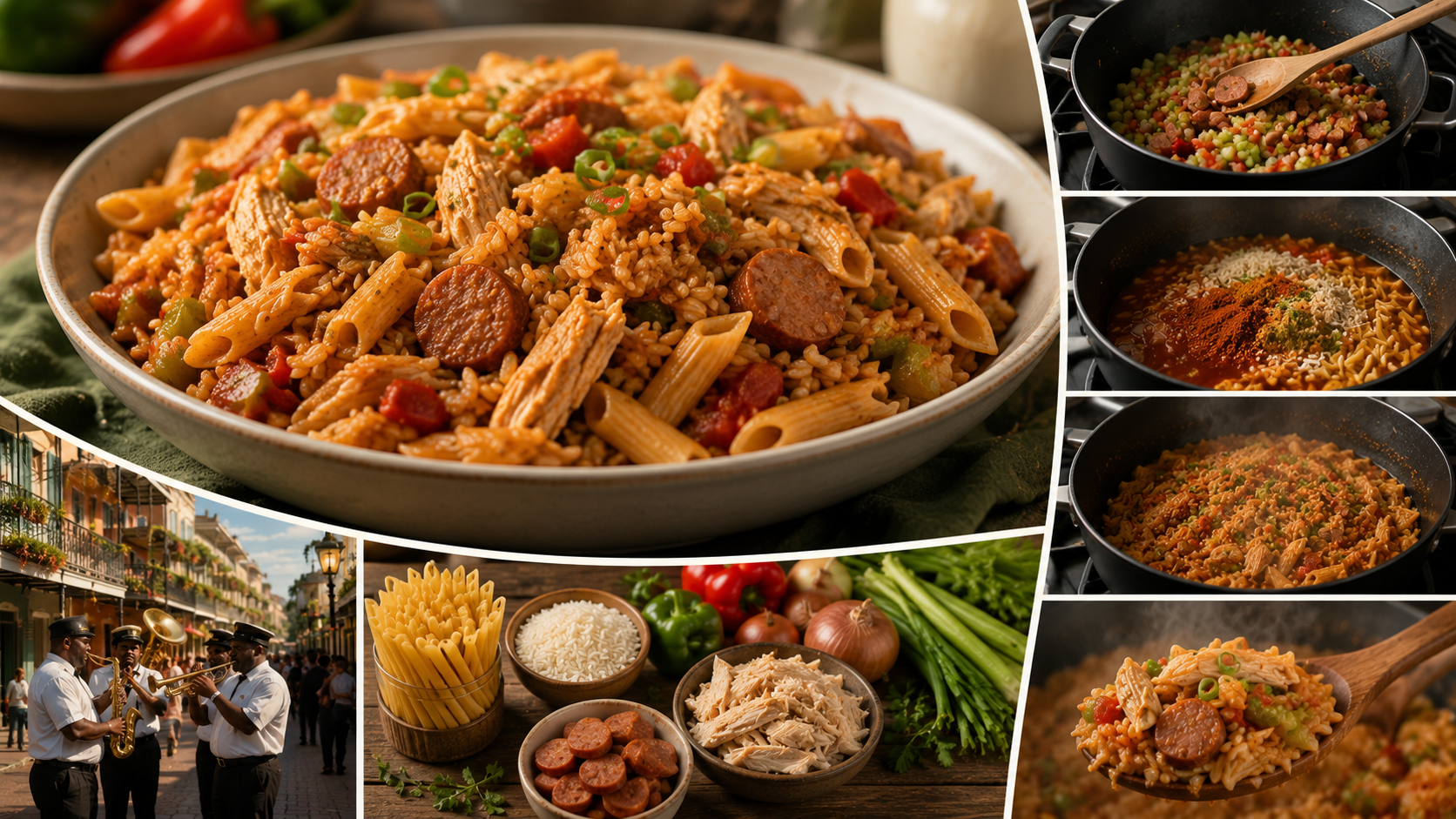
If you’ve ever been to a Louisiana cookout, a Cajun festival, or a Southern church potluck, there’s a good chance pastalaya showed up in a big pot. It draws a crowd, disappears fast, and leaves people asking what it was. For anyone unfamiliar with the dish, the name alone raises a fair question: is it pasta? Is it jambalaya? The honest answer is that it’s both.
Pastalaya has built a loyal following across Louisiana and beyond — not because it’s trendy, but because it genuinely works. This article explains exactly what it is, where it came from, how it differs from jambalaya, and what goes into making it well.
What Is Pastalaya?
Pastalaya is a Louisiana Cajun dish made by cooking pasta directly in a seasoned broth with meat, the “holy trinity” of vegetables, and Cajun spices — using the same method and flavor base as traditional jambalaya, but substituting pasta for rice.
The name is a straightforward combination of “pasta” and “jambalaya.” It originated in Louisiana’s Cajun communities and became popular at large gatherings and outdoor cooking events, particularly in the Acadiana region of south-central Louisiana.
The Direct Answer
Pastalaya is a Cajun dish from Louisiana that replaces the rice in traditional jambalaya with pasta — typically penne or rotini. The pasta cooks directly in a seasoned, meat-based broth and absorbs the same bold flavors of smoked sausage, chicken, the Cajun holy trinity (onion, celery, bell pepper), garlic, and Cajun spices. It’s commonly made in large batches for outdoor events and festivals.
The Origins of Pastalaya
Jambalaya itself has deep roots in Louisiana’s food history, drawing from Spanish paella, French Creole cooking, and West African rice traditions. It became a staple of Cajun and Creole cooking over centuries, cooked in cast iron pots over open fires at community gatherings.
Pastalaya emerged as a practical variation on that tradition. The exact origin is hard to pin down — it wasn’t invented by a single person in a single place. Rather, it developed organically in Cajun communities, particularly in areas like Gonzales, Louisiana (known as the “Jambalaya Capital of the World”), where large-pot outdoor cooking is a serious cultural tradition.
The shift from rice to pasta was partly practical. Pasta is more forgiving in large-batch outdoor cooking. It absorbs liquid well, holds its texture reasonably well in big batches, and is easier to manage over open flame without scorching. Over time, pastalaya developed its own identity rather than just being seen as a substitute for the original.
Today, you’ll find pastalaya at Cajun festivals, church fundraisers, tailgates, and family reunions throughout Louisiana and increasingly across the South.
Pastalaya vs. Jambalaya: What’s Actually Different?
The most common question people have is how pastalaya compares to jambalaya. The differences come down to a few key factors.
The Starch
The obvious difference is the starch. Jambalaya uses long-grain rice, which absorbs liquid and becomes the base of the dish. Pastalaya uses pasta — most commonly penne, rotini, or bow ties — which soaks up the seasoned broth in much the same way.
Texture
Rice and pasta cook differently and create different textures. Rice in jambalaya becomes soft and slightly sticky, absorbing flavor throughout each grain. Pasta stays somewhat firmer, with a different mouthfeel. Some people find pastalaya slightly heartier and more substantial in texture.
Cooking Behavior
Rice is more sensitive to heat and timing. In large batches, it can become mushy or burn on the bottom if heat isn’t carefully managed. Pasta gives a bit more flexibility — it still needs attention, but it’s more forgiving for large outdoor pots over open flame, which is part of why pastalaya became popular at big events.
Flavor
The flavor profile is almost identical because the base — the holy trinity, garlic, Cajun seasoning, smoked sausage, and broth — is the same. Pasta absorbs the broth deeply, so the flavor of a well-made pastalaya is as bold and satisfying as any good jambalaya.
Regional Identity
Jambalaya is the older, more widely recognized dish with strong ties to both Cajun and Creole traditions. Pastalaya is primarily a Cajun variation and is more specifically associated with the outdoor cooking culture of south-central Louisiana.
Key Ingredients in Pastalaya
Understanding the ingredients explains why the dish tastes the way it does.
The Holy Trinity
Cajun cooking is built on a flavor base called the “holy trinity” — onion, celery, and green bell pepper. This combination forms the aromatic foundation of most Cajun dishes, including pastalaya. It’s the Cajun equivalent of the French mirepoix (onion, carrot, celery) and does the same job: building a deep, savory base.
Smoked Sausage
Andouille sausage is the traditional choice. It’s a heavily smoked, spiced pork sausage with a distinctive flavor that defines a lot of Cajun cooking. Smoked sausage of other varieties works too, but andouille gives the most authentic flavor. The sausage is typically sliced into rounds and browned before the rest of the ingredients go in.
Chicken
Most pastalaya recipes include boneless chicken — thighs or breast, cut into pieces. Chicken thighs tend to stay juicier and hold up better in the pot. The chicken is usually browned first to develop flavor through the Maillard reaction, which creates the brown fond on the bottom of the pot that adds depth to the broth.
Pasta
Penne is probably the most common pasta used in pastalaya. Its tubular shape traps the seasoned liquid inside, delivering flavor in each bite. Rotini, bow ties, and rigatoni also work well. Long pasta like spaghetti is less common because it’s harder to manage in a big pot and doesn’t distribute as evenly.
Broth and Liquid
The pasta cooks directly in a seasoned chicken or pork broth rather than in plain water. This is what allows the pasta to absorb flavor throughout. The ratio of liquid to pasta matters significantly — too much and the dish is soupy; too little and the pasta doesn’t cook through evenly.
Cajun Seasoning
Cajun seasoning blends typically include paprika, garlic powder, onion powder, black pepper, white pepper, cayenne, oregano, and thyme. The heat level varies by recipe and cook. Some cooks make their own blend; others use commercial Cajun seasoning like Tony Chachere’s, which is nearly ubiquitous in Louisiana kitchens.
Garlic
Fresh garlic goes in on top of the holy trinity, usually after the vegetables have softened. It adds sharpness and depth that dried garlic powder in the seasoning blend alone doesn’t fully replicate.
How Pastalaya Is Made: Step-by-Step
Pastalaya follows a logical sequence that builds flavor at every stage.
Step 1: Brown the Meat
Start with a hot, heavy pot — cast iron or a large Dutch oven works well. Brown the sliced sausage first until the cut sides develop color, then remove it. Brown the chicken pieces next in the same fat, again until color develops on the outside. Remove the chicken as well. This browning step builds flavor that carries through the whole dish.
Step 2: Cook the Holy Trinity
In the same pot, with the remaining fat and fond (the browned bits on the bottom), add the onion, celery, and bell pepper. Cook them over medium heat until softened — usually 8 to 10 minutes. Stir occasionally and let them pick up some of the fond from the bottom of the pot. Add the garlic in the last couple of minutes.
Step 3: Season the Base
Add the Cajun seasoning, black pepper, and any other dried spices. Stirring them into the vegetables briefly before adding liquid helps bloom their flavor.
Step 4: Add the Broth and Meat
Return the browned sausage and chicken to the pot. Pour in the broth — usually chicken broth, sometimes with a small amount of water. Stir everything together and bring to a boil.
Step 5: Add the Pasta
Once the liquid is boiling, add the dry pasta and stir to distribute it evenly. Reduce to a strong simmer and cook, stirring regularly so the pasta doesn’t stick. Unlike boiling pasta in a large pot of water, the pasta here cooks in a limited amount of liquid and needs attention. Keep stirring every few minutes.
Step 6: Cook Until Pasta Absorbs the Liquid
Continue cooking until the pasta is tender and has absorbed most of the liquid. The consistency should be thick and cohesive — not soupy, but not dry either. If it gets too thick before the pasta is done, add a small amount of hot broth or water.
Step 7: Rest and Serve
Take the pot off heat and let it rest for a few minutes before serving. This allows the pasta to finish absorbing any remaining liquid and the flavors to settle.
Why Pastalaya Works for Large Batches
One reason pastalaya became so embedded in Louisiana outdoor cooking culture is purely practical: it scales up well.
Making jambalaya for 200 people over an open flame in a 30-gallon pot requires precise control and experience. Rice can go from perfect to scorched or mushy quickly at that scale. Pasta is more forgiving — it gives the cook a wider window. You can stir it more freely, adjust liquid more easily, and the results are more consistent even over variable outdoor heat.
This made pastalaya a natural choice for the competitive outdoor cooking circuit and the festival circuit in Louisiana, where feeding large crowds efficiently is part of the tradition.
Common Mistakes When Making Pastalaya
Not browning the meat first
Skipping the browning step and simply boiling everything together produces a paler, less flavorful dish. The browning creates fond — those caramelized bits on the pot bottom — which dissolve into the broth and add depth that nothing else replicates.
Using too much liquid
Adding too much broth results in a soupy pastalaya that never comes together properly. The goal is for the pasta to absorb the liquid and leave the dish moist but not wet. A general starting ratio is about 2 to 2.5 cups of liquid per cup of dry pasta, adjusted based on the amount of vegetables and meat releasing moisture.
Not stirring enough
Unlike pasta boiled in a large pot of water, pastalaya cooks in a concentrated liquid. Without regular stirring, the pasta on the bottom sticks and can scorch. Stir every 2 to 3 minutes once the pasta goes in.
Using the wrong pasta
Thin or delicate pasta shapes break down too quickly. Long pasta tangles. Short, sturdy shapes — penne, rotini, rigatoni — hold up best through the cooking process and serve well in a thick, saucy dish.
Under-seasoning
Pastalaya should be boldly seasoned. The pasta absorbs a lot of the seasoning as it cooks, and the dish can taste flat if the seasoning is too conservative. Taste as you go and adjust.
Key Facts About Pastalaya
- Originated in Louisiana’s Cajun cooking tradition, particularly in south-central Louisiana
- A direct variation of jambalaya, with pasta replacing rice
- Most commonly made with andouille sausage, chicken, the Cajun holy trinity, and penne pasta
- The pasta cooks directly in a seasoned broth, absorbing flavor throughout
- Particularly popular at outdoor cooking events, festivals, and large gatherings
- Scales well to large batches, which contributed to its popularity at community events
- The flavor profile is nearly identical to Cajun jambalaya — bold, savory, and spiced
- Gonzales, Louisiana — known as the Jambalaya Capital of the World — is closely associated with both jambalaya and pastalaya culture
Frequently Asked Questions
Q1: What is pastalaya?
Ans: Pastalaya is a Cajun dish from Louisiana that follows the same method and flavor base as jambalaya but uses pasta instead of rice. The pasta cooks directly in a seasoned broth with smoked sausage, chicken, the holy trinity of vegetables, and Cajun spices.
Q2: How is pastalaya different from jambalaya?
Ans: The primary difference is the starch. Jambalaya uses long-grain rice; pastalaya uses pasta, typically penne or rotini. The flavor base, meats, and seasoning are essentially the same. Pastalaya is generally more forgiving to cook in large batches, which made it popular at outdoor events.
Q3: What pasta is best for pastalaya?
Ans: Short, sturdy pasta shapes work best. Penne is the most common choice. Rotini, bow ties, and rigatoni also work well. Avoid thin pasta like angel hair or long pasta like spaghetti, as they don’t hold up as well in the cooking process.
Q4: Can pastalaya be made without andouille sausage?
Ans: Yes. While andouille gives the most traditional flavor, other smoked sausages work as substitutes. Kielbasa, smoked chicken sausage, or any fully cooked smoked sausage can replace andouille. The flavor will be different but still good.
Q5: Is pastalaya a Cajun or Creole dish?
Ans: Pastalaya is primarily a Cajun dish. Cajun and Creole cooking share similarities but have distinct traditions. Traditional Creole jambalaya (sometimes called “red jambalaya”) includes tomatoes; Cajun jambalaya typically does not. Pastalaya follows the Cajun tradition without tomatoes, though some recipes add them.
Q6: Can pastalaya be made ahead of time?
Ans: Yes, though the pasta continues to absorb liquid as it sits. Leftovers will be thicker and drier than fresh pastalaya. Add a small amount of broth when reheating to restore moisture. It keeps well in the refrigerator for 3 to 4 days.
Q7: What’s the best way to make pastalaya for a large crowd?
Ans: Use a large heavy pot — cast iron works especially well for outdoor cooking. Scale the recipe proportionally, keep the liquid ratio consistent, stir frequently, and taste for seasoning before adding the pasta. The beauty of the dish is that it holds up well at scale and serves easily from a single pot.
Key Takeaways
- Pastalaya is a Louisiana Cajun dish that replaces the rice in jambalaya with pasta
- It uses the same flavor base: smoked sausage, chicken, the holy trinity (onion, celery, bell pepper), garlic, and Cajun seasoning
- The pasta cooks directly in a seasoned broth, not in separate water
- Penne is the most common pasta choice; short, sturdy shapes work best
- Browning the meat before adding vegetables is essential for flavor depth
- The dish is especially popular at Louisiana outdoor cooking events and large gatherings because it scales well
- Leftovers thicken as they sit; add broth when reheating
Pastalaya is the kind of dish that makes sense once you understand where it comes from. It carries the same bold, satisfying flavors that define Cajun cooking — just delivered through pasta instead of rice. Whether you’re cooking for a crowd or just want a pot of something deeply flavorful on a weekend, pastalaya is a dish worth understanding and worth making.
If you’ve ever bitten into a stew and hit a small, hard, nail-shaped seed, you’ve met a whole clove. It’s easy to overlook until it surprises you, and then you start wondering what exactly it is, why it’s in your food, and whether you’re supposed to eat it.
Whole cloves show up in holiday baking, savory braises, tea blends, and even in a jar of pickles your grandmother swore by. They’re one of those ingredients that quietly does a lot of work in a kitchen without ever taking center stage. But because they’re strong, a little unfamiliar to some cooks, and sometimes confused with clove oil or ground cloves, people often have questions before they use them.
This article walks through what whole cloves actually are, where they come from, how they’re used in cooking and traditional remedies, what the research says about their benefits and risks, and how to store and shop for them so you get the most out of every jar.
Direct Answer: What Are Whole Cloves?
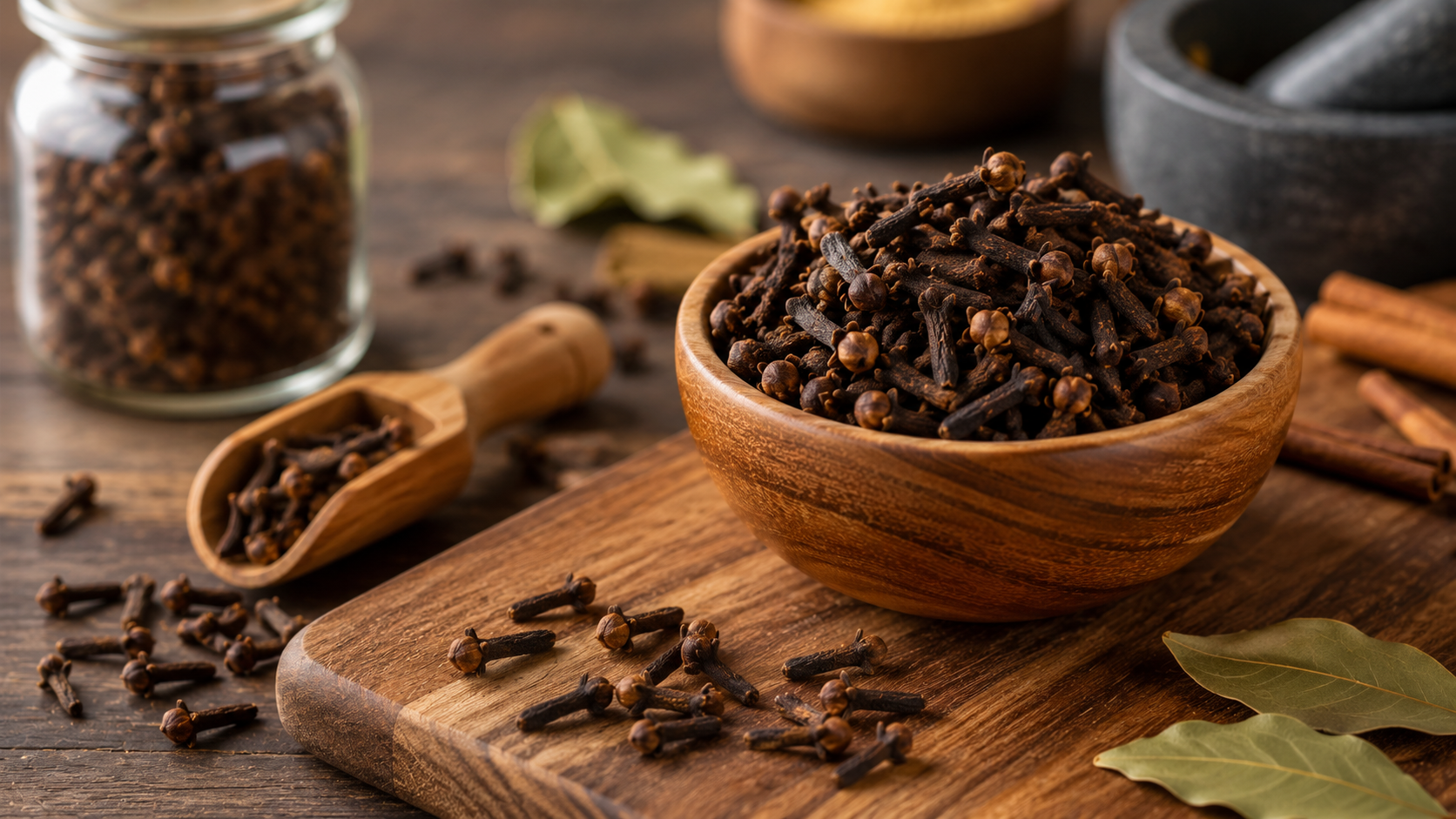
Whole cloves are the dried, unopened flower buds of the clove tree, Syzygium aromaticum, a tropical evergreen native to Indonesia. They look like small brown nails, which is actually where the name comes from — “clove” traces back to the Latin word clavus, meaning nail. Whole cloves are used whole in cooking to flavor liquids, meats, and baked goods, then usually removed before serving, since eating one directly delivers an intense, numbing, peppery-sweet flavor most people find too strong on its own.
Where Whole Cloves Come From
Clove trees grow best in warm, humid, tropical climates with rich volcanic soil. Indonesia remains the largest producer and consumer of cloves in the world, followed by Madagascar, Tanzania (particularly the island of Zanzibar), Sri Lanka, and Brazil. The trees can grow over 30 feet tall and don’t start producing usable flower buds until they’re around six years old, but once mature, a single tree can keep producing for decades.
The buds are hand-picked before they open into flowers, then laid out to dry in the sun for several days. As they dry, they shrink, darken from pink or red to a deep reddish-brown, and harden into the familiar nail-like shape sold in stores.
Whole Cloves vs. Ground Cloves: What’s the Difference?
Both come from the same plant, but they behave differently in the kitchen.
Whole cloves release their flavor slowly and are meant to be added early in cooking, then strained or picked out before eating. This makes them ideal for infusing broths, stocks, mulled drinks, and slow-cooked dishes without leaving gritty texture behind.
Ground cloves are milled into a fine powder and release their flavor almost immediately, which makes them a better fit for baked goods, spice rubs, and recipes where you want the flavor evenly distributed rather than concentrated in one bite.
A practical rule many cooks use: if a recipe simmers for a while and you’ll be removing solids anyway (like a soup, sauce, or spiced cider), reach for whole cloves. If the recipe is a quick bake or a rub where you can’t fish anything out afterward, ground cloves are the safer choice.
Why Whole Cloves Matter in Cooking
Cloves owe their intense aroma and flavor to a compound called eugenol, which makes up a large percentage of clove essential oil. Eugenol is what gives cloves their warm, slightly sweet, slightly numbing character, and it’s the same compound responsible for the familiar smell at a dentist’s office, since eugenol has long been used in dental products.
Because the flavor is so concentrated, whole cloves are typically used in small amounts — often just a few per dish. They pair naturally with cinnamon, nutmeg, allspice, star anise, and black pepper, which is why you’ll find them together in spice blends like garam masala, Chinese five-spice, pumpkin pie spice, and mulling spice mixes.
Common Culinary Uses
Savory cooking Whole cloves are often studded into a whole onion (a technique sometimes called a clouté) and simmered in stocks, béchamel sauce, or braising liquids to add background depth without overpowering the dish. They’re also traditional in dishes like baked ham, where cloves are pressed into a diamond-scored crust before roasting.
Beverages Mulled wine, mulled cider, chai tea, and spiced coffee often rely on whole cloves simmered directly in the liquid. Because the cloves are strained out before serving, there’s no risk of biting into one.
Baking and preserving Whole cloves show up in pickling brines, fruit preserves, and holiday desserts like spiced fruitcakes or poached pears, where a few cloves are tucked into the liquid during cooking and removed afterward.
Rice and grain dishes In cuisines across South Asia, the Middle East, and parts of Latin America, whole cloves are tempered in hot oil or ghee at the start of cooking to release their aroma into rice, lentils, or meat dishes.
Traditional and Home Remedy Uses
Cloves have a long history in traditional medicine systems, including Ayurveda and traditional Chinese medicine, largely because of their eugenol content. Some traditional uses include:
- Chewing a whole clove or holding it against a sore tooth for temporary relief from tooth pain, since eugenol has mild numbing properties
- Steeping cloves in hot water as a tea believed to ease digestion or a scratchy throat
- Adding cloves to homemade mouth rinses for their strong, clean scent
It’s worth being clear-eyed about these uses. Traditional use and modern clinical evidence are not the same thing. Clove oil (a concentrated extract, not the whole spice) has been studied more thoroughly than whole cloves themselves, and even then, most dental products today use eugenol in carefully measured, diluted amounts rather than raw clove oil or whole cloves, because concentrated eugenol can irritate or even damage soft tissue and skin.
Potential Benefits, According to Research
Research on cloves and their extracts has looked at a few areas:
Antioxidant activity. Cloves are among the spices with a high concentration of antioxidant compounds, largely due to eugenol. Antioxidants help neutralize unstable molecules called free radicals in the body, though having antioxidants in a food doesn’t automatically translate into a specific health outcome — it’s one piece of a much bigger picture that includes overall diet.
Antimicrobial properties. Laboratory studies have found that clove oil and eugenol can inhibit the growth of certain bacteria and fungi. This is part of why cloves have historically been used in food preservation and oral care, though lab results don’t always translate directly to how the whole spice behaves when eaten in normal food amounts.
Blood sugar regulation. Some early research suggests compounds in cloves may help support healthy blood sugar levels, but this research is still limited and shouldn’t be treated as a substitute for medical guidance if you have diabetes or another blood sugar condition.
It’s important to separate “cloves contain compounds that show promise in lab studies” from “eating cloves will treat or cure a condition.” Most of the research involves concentrated extracts, not the small amount of whole cloves used in a recipe, so the effects of a few cloves in your dinner are much milder than what’s tested in a lab.
Risks and Considerations
Whole cloves are safe for most people in normal culinary amounts, but there are a few things worth knowing.
They’re a choking and dental hazard if eaten whole. Because they’re hard and woody, biting down on one unexpectedly can crack a tooth or feel unpleasant. This is exactly why most recipes call for removing them before serving.
Concentrated clove oil is not the same as the whole spice. Undiluted clove oil applied directly to gums, skin, or taken internally in large amounts can cause burns, liver stress in children, or other serious reactions. Whole dried cloves used in cooking do not carry this same risk because the amount of eugenol involved is far smaller and it isn’t concentrated into oil form.
Blood-thinning effect. Eugenol has mild blood-thinning properties. People on blood-thinning medication or with upcoming surgery should mention regular, heavy clove or clove oil use to their doctor, though typical culinary amounts are generally not a concern.
Allergic reactions. Though uncommon, some people can have an allergic response to cloves, particularly with skin contact from concentrated clove oil.
Not a substitute for medical or dental care. Using a clove for temporary tooth pain relief is a traditional stopgap, not a treatment for the underlying problem. Persistent tooth pain still needs a dentist.
Step-by-Step: How to Use Whole Cloves in Cooking
- Decide how much flavor you want. Start with 2 to 4 whole cloves for most soups, stocks, or braising liquids. It’s easy to add more later; it’s hard to fix an over-cloved dish.
- Add them early. Whole cloves need time and heat to release their flavor, so add them at the start of simmering rather than the end.
- Use a technique that makes removal easy. Studding cloves into an onion, wrapping them in cheesecloth, or adding them to a tea infuser makes it simple to pull them out before serving.
- Taste as you go. Clove flavor builds the longer it simmers, so taste partway through cooking rather than waiting until the end.
- Remove before serving. Always fish out whole cloves before the dish reaches the table, especially if you’re cooking for children or guests who may not expect them.
Common Mistakes to Avoid
Assuming ground and whole cloves are interchangeable in equal amounts. Ground cloves are more concentrated by volume because there’s no woody stem taking up space, so substituting incorrectly can make a dish too strong or too weak.
Forgetting to remove them before serving. This is the most common complaint people have about clove-flavored dishes — not the flavor itself, but the surprise of biting into a leftover whole clove.
Confusing clove oil with the culinary spice. Recipes and cooking instructions refer to the dried spice, not concentrated essential oil, which is used differently and requires much more caution.
Overusing them. Because cloves are potent, a small amount goes a long way. Adding too many can make a dish taste medicinal or bitter rather than warm and aromatic.
Storing them incorrectly. Cloves lose potency faster than many people expect if stored poorly, which leads to bland results and the mistaken belief that “cloves just don’t have much flavor.”
Real-World Examples
A home cook making mulled cider on a cold evening might simmer apple cider with a cinnamon stick, a few orange peels, and four or five whole cloves for twenty minutes, then strain the liquid before serving so no one bites into a stray clove.
A holiday ham recipe might call for scoring the fat in a diamond pattern and pressing a single whole clove into the center of each diamond before baking, purely for visual appeal and light background flavor in the glaze, with the cloves typically left on for presentation but not meant to be eaten.
A cook making a pot of dal or curry might start by heating oil, adding a few whole cloves along with cumin seeds and a bay leaf, letting them sizzle for thirty seconds to release their aroma, then building the rest of the dish on top of that base.
How to Store Whole Cloves
Whole cloves keep their flavor far longer than ground cloves because less surface area is exposed to air. Stored properly, in an airtight container away from heat, light, and moisture, whole cloves can stay flavorful for two to three years, though many cooks find the best aroma within the first year.
A simple way to check freshness: press a fingernail into the rounded top of the clove. If a little oil is released and you can smell a strong, warm aroma, the clove is still potent. If it feels dry and brittle with little scent, it’s likely past its best flavor, even if it’s not “expired” in a food safety sense.
Key Facts
- Whole cloves are the dried flower buds of Syzygium aromaticum, a tropical evergreen tree.
- Indonesia is the world’s largest producer and consumer of cloves.
- The main aromatic compound in cloves is eugenol, which also has mild antimicrobial and numbing properties.
- Whole cloves are typically removed before eating, unlike ground cloves.
- A few whole cloves go a long way; most recipes call for just 2 to 6 at a time.
- Properly stored whole cloves can retain flavor for up to two to three years.
- Undiluted clove oil is far more concentrated than whole cloves and carries more risk if misused.
Frequently Asked Questions
Q1: What are whole cloves used for?
Ans: Whole cloves are mainly used to flavor soups, stocks, braises, mulled drinks, rice dishes, and pickling brines. They’re added during cooking and usually removed before serving.
Q2: Can you eat whole cloves?
Ans: Technically yes, but it’s not common practice. Biting into one directly delivers an intensely strong, numbing flavor that most people find unpleasant, and the hard texture can be uncomfortable to chew. Most recipes intend for cloves to flavor a dish, not be eaten directly.
Q3: Are whole cloves the same as clove oil?
Ans: No. Whole cloves are the dried spice itself, while clove oil is a concentrated extract distilled from cloves. Clove oil is far more potent and requires more caution, particularly around skin contact and internal use.
Q4: Do whole cloves help with tooth pain?
Ans: Some people use a whole clove or a small amount of diluted clove oil for temporary numbing relief from tooth pain, thanks to the eugenol content. This is a traditional remedy, not a dental treatment, and persistent tooth pain should still be evaluated by a dentist.
Q5: How many whole cloves should I use in a recipe?
Ans: Most recipes call for somewhere between 2 and 6 whole cloves, depending on the size of the dish and how strong you want the flavor. Because cloves are potent, it’s easier to add more than to fix an overpowering dish.
Q6: Do whole cloves go bad?
Ans: They don’t spoil in a way that makes them unsafe, but they do lose potency over time. Stored in an airtight container away from heat and light, they generally stay flavorful for two to three years.
Q7: Is it safe to cook with whole cloves every day?
Ans: Using a few whole cloves occasionally in cooking is considered safe for most people. If you have a bleeding disorder, take blood-thinning medication, or are pregnant, it’s reasonable to mention regular, heavy clove use to a doctor, though typical culinary amounts in food are generally not a concern.
Key Takeaways
- Whole cloves are the dried flower buds of the clove tree and are native to Indonesia.
- They’re used whole in cooking for their strong, warm aroma, then usually removed before serving.
- Ground and whole cloves aren’t directly interchangeable due to differences in potency and texture.
- The active compound eugenol gives cloves their signature flavor and mild numbing effect.
- Cloves have a long history in traditional remedies, though most modern research focuses on concentrated extracts rather than the whole spice used in cooking.
- Proper storage in an airtight container away from light and heat helps cloves stay flavorful for years.
- Always remove whole cloves from a finished dish before serving to avoid an unpleasant surprise.
Conclusion
Whole cloves are a small ingredient that carries a lot of flavor, history, and utility in the kitchen. Once you understand how they differ from ground cloves, how much to use, and when to pull them out of a dish, they become an easy and reliable way to add warmth and depth to soups, drinks, and holiday cooking. Like most strong spices, the key is using them thoughtfully — a little goes a long way, and the payoff is a dish that tastes rounded and complex without any single flavor taking over.
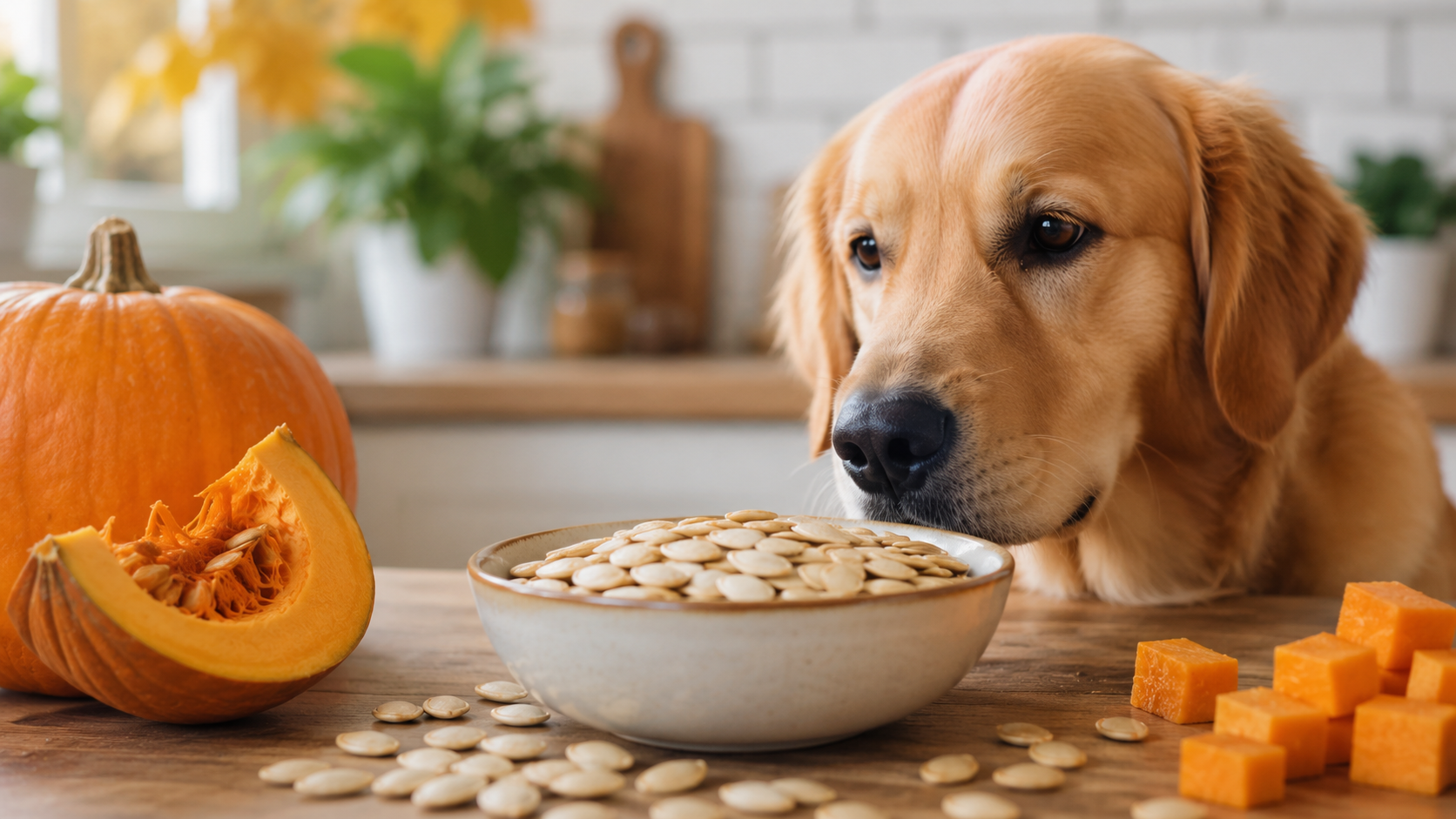
Fall rolls around, someone in the house is carving a pumpkin, and suddenly there’s a dog sitting at your feet giving you that look while a pile of slimy seeds sits on the cutting board. It’s a fair question to have in that moment: can dogs eat pumpkin seeds, or is this one more thing that needs to stay out of paws’ reach?
The good news is that this is one of those rare cases where the dog is onto something. Pumpkin seeds aren’t just safe for most dogs in the right form and amount — they actually offer some real nutritional value. But “safe” comes with conditions, and getting those details wrong is where owners run into trouble.
This article covers whether dogs can eat pumpkin seeds, how to prepare them properly, what benefits and risks are actually backed by evidence, and how much is reasonable to give.
Direct Answer: Can Dogs Eat Pumpkin Seeds?
Yes, dogs can eat pumpkin seeds in moderation, as long as they’re plain, unsalted, and either raw or roasted without seasoning. Pumpkin seeds contain healthy fats, fiber, and nutrients like zinc, iron, and magnesium. The safest approach is to serve them shelled and ground or finely chopped, since whole seeds can be a choking risk and are harder for dogs to digest.
What Are Pumpkin Seeds, and Why Do Dogs Like Them?
Pumpkin seeds, sometimes called pepitas when hulled, are the flat, oval seeds found inside a pumpkin. They come from the same plant family as squash and cucumbers, and they’ve long been eaten by humans as a snack, either roasted whole in the shell or shelled and toasted.
Dogs are drawn to them for the same reason many humans are: pumpkin seeds have a rich, slightly nutty flavor and a satisfying texture, especially once roasted. Because dogs have a strong sense of smell tied to fat content, the natural oils in pumpkin seeds make them appealing on their own, without any seasoning needed.
Nutritional Benefits of Pumpkin Seeds for Dogs
Pumpkin seeds aren’t just a harmless snack. In small amounts, they bring a few genuine nutritional advantages.
Healthy fats. Pumpkin seeds contain unsaturated fats, including omega-3 and omega-6 fatty acids, which support skin and coat health when included as part of a balanced diet.
Fiber. The fiber in pumpkin seeds can support digestive regularity. This is part of why pumpkin itself, flesh and seeds alike, has a reputation as a home remedy for mild digestive upset in dogs.
Zinc. Zinc plays a role in immune function, skin health, and wound healing. Pumpkin seeds are one of the more zinc-rich plant foods.
Magnesium. This mineral supports muscle and nerve function, and pumpkin seeds are a reasonably good source of it.
Antioxidants. Pumpkin seeds contain carotenoids and other antioxidant compounds that help neutralize free radicals in the body, similar to many other seeds and orange-fleshed vegetables.
It’s worth being realistic about what this means in practice. A few pumpkin seeds aren’t going to transform a dog’s health on their own. These benefits matter most as a small addition to an already balanced diet, not as a substitute for complete dog food or veterinary nutrition guidance.
Are Pumpkin Seeds Safe for All Dogs?
For most healthy adult dogs, plain pumpkin seeds in small amounts are safe. But a few groups need extra caution.
Puppies. Smaller mouths and developing digestive systems make puppies more prone to choking on whole seeds and more sensitive to new foods causing stomach upset. If given at all, seeds should be finely ground and offered in very small amounts.
Small dog breeds. Whole seeds, even shelled ones, pose more of a choking risk for small breeds. Grinding or finely chopping is the safer route here too.
Dogs with pancreatitis or fat sensitivity. Because pumpkin seeds are relatively high in fat, dogs with a history of pancreatitis or other conditions requiring a low-fat diet should avoid them unless a veterinarian says otherwise.
Dogs with known seed or nut sensitivities. While uncommon, any dog can have an individual sensitivity to a new food. Introducing pumpkin seeds slowly and watching for any reaction is a reasonable precaution.
Raw vs. Roasted vs. Store-Bought: What’s the Difference?
Raw pumpkin seeds are safe for dogs as long as they’re plain and unseasoned. Some owners prefer raw seeds because roasting can sometimes involve added oils or salt, even when a bag is labeled “lightly salted.”
Home-roasted seeds are a good option when you control what goes on them. Roasting plain seeds without oil, salt, garlic, or other seasoning at a low temperature until they’re dry and slightly crisp makes them easier to grind and more shelf-stable.
Store-bought pumpkin seeds, including pepitas sold as human snacks, are often seasoned with salt, spices, or oils like garlic and onion powder blends, which are toxic to dogs. These should generally be avoided unless the label confirms they’re completely plain.
Canned pumpkin seed products aren’t common, but if you’re using canned pumpkin for your dog (a different but related product), always choose plain canned pumpkin, not pumpkin pie filling, which contains added sugar and spices like nutmeg that aren’t appropriate for dogs.
How to Prepare Pumpkin Seeds for Dogs
- Remove the seeds from the pumpkin and rinse off the stringy pulp.
- Decide whether to shell them. Shelled seeds are easier to grind and digest, though the shell itself isn’t toxic in small amounts.
- Dry or roast them plain. Spread the seeds on a baking sheet and roast at a low temperature (around 300°F) until they’re dry and slightly crisp, with no oil, salt, or seasoning added.
- Let them cool completely.
- Grind or finely chop the seeds. A coffee grinder, food processor, or even a rolling pin works well. This step matters most for small dogs and puppies, where whole seeds are more of a choking hazard.
- Add a small amount to food. Sprinkling a teaspoon or so of ground pumpkin seed over regular dog food is an easy way to introduce it.
How Many Pumpkin Seeds Can a Dog Eat?
There’s no single official serving size, since it depends heavily on a dog’s size, but the general principle among veterinary sources is that seeds should stay a small addition to the diet rather than a regular substantial portion. A useful mental model: a few ground seeds sprinkled over a meal for a small dog, and up to a tablespoon or so of ground seeds for a large dog, kept occasional rather than daily. If you want a precise amount tailored to your dog’s weight and health history, a veterinarian is the best source for that specific guidance.
Overdoing it isn’t dangerous in a dramatic sense, but too many pumpkin seeds can cause loose stool, stomach upset, or unwanted weight gain over time due to their fat content.
Common Mistakes Owners Make
Giving whole seeds to small dogs or puppies. This is the most common risk factor for choking, since whole seeds, especially with the shell on, are hard and don’t break down easily without chewing thoroughly.
Assuming all pumpkin products are dog-safe. Pumpkin pie filling, spiced pumpkin lattes, and seasoned pepitas are not the same as plain pumpkin or plain pumpkin seeds, and some contain ingredients that are genuinely harmful to dogs.
Feeding seeds from a jack-o’-lantern that’s been sitting out. Once a carved pumpkin has been sitting at room temperature for days, mold can develop on the flesh and seeds, which isn’t safe for dogs to eat.
Treating pumpkin seeds as a cure for digestive issues. While fiber can support regularity, pumpkin seeds aren’t a substitute for veterinary care if a dog has ongoing vomiting, diarrhea, or other digestive symptoms.
Overfeeding because “it’s natural.” Natural doesn’t mean unlimited. Fat content adds up quickly in a small dog’s daily calorie intake.
Real-World Examples
A family carving pumpkins for Halloween separates the seeds from the pulp, rinses them, and roasts a plain batch specifically for their dog while a separately seasoned batch is roasted for the humans in the house. The dog’s portion gets ground into a food processor before being sprinkled over that evening’s dinner.
An owner dealing with a dog who has mild, occasional loose stool tries adding a small amount of plain canned pumpkin to meals for a few days, a common home approach, but calls their veterinarian when the issue doesn’t improve within a couple of days rather than continuing to rely on pumpkin alone.
A small-breed dog snatches a few whole roasted pepitas that fell on the kitchen floor. Because the amount was small and the seeds were plain, the owner monitors the dog for the next day rather than panicking, but calls their vet since the seeds weren’t ground and the dog is a small breed more prone to choking or blockage.
Key Facts
- Plain, unsalted pumpkin seeds are generally safe for dogs in small amounts.
- Seeds are best served shelled, roasted without seasoning, and ground or finely chopped.
- Pumpkin seeds contain healthy fats, fiber, zinc, magnesium, and antioxidants.
- Whole seeds pose a choking risk, especially for small dogs and puppies.
- Store-bought seasoned pepitas often contain salt or garlic/onion seasoning, which can be harmful.
- Moldy seeds from a pumpkin left out too long should never be given to a dog.
- Fat content means pumpkin seeds should stay an occasional addition, not a daily staple.
Frequently Asked Questions
Q1: Can dogs eat pumpkin seeds?
Ans: Yes, dogs can eat plain, unsalted pumpkin seeds in moderation. They’re safest when shelled, without seasoning, and ground or finely chopped before serving.
Q2: Are raw pumpkin seeds safe for dogs?
Ans: Raw pumpkin seeds are generally safe as long as they’re plain and given in small, well-prepared amounts, though roasting can make them easier to grind and digest.
Q3: Can pumpkin seeds hurt a dog?
Ans: Whole pumpkin seeds can pose a choking risk, particularly for small dogs and puppies. Seasoned seeds, especially those with salt, garlic, or onion powder, can also cause harm and should be avoided.
Q4: Do pumpkin seeds help with a dog’s digestion?
Ans: The fiber in pumpkin seeds can support digestive regularity for some dogs, similar to plain pumpkin flesh, but they aren’t a guaranteed fix for digestive issues and shouldn’t replace veterinary care for ongoing symptoms.
Q5: How many pumpkin seeds can a dog have?
Ans: There’s no universal official number, but a small, occasional serving, such as a teaspoon of ground seeds for a small dog or up to a tablespoon for a large dog, is a reasonable general guideline. A veterinarian can offer guidance specific to your dog.
Q6: Can puppies eat pumpkin seeds?
Ans: Puppies can have pumpkin seeds in very small, finely ground amounts, but their smaller size and developing digestive systems mean extra caution is warranted compared to adult dogs.
Q7: What kind of pumpkin seeds are best for dogs?
Ans: Plain, unsalted, unseasoned pumpkin Ans:seeds — either homemade or a carefully checked store-bought product — are the best choice. Avoid anything with added salt, oil, or spice blends.
Key Takeaways
- Dogs can safely eat plain pumpkin seeds in moderation.
- Seeds should be shelled, plain, and ground or finely chopped to reduce choking risk.
- Pumpkin seeds offer healthy fats, fiber, zinc, magnesium, and antioxidants.
- Seasoned, salted, or store-bought flavored pepitas should generally be avoided.
- Puppies, small breeds, and dogs with pancreatitis need extra caution.
- Moldy seeds from an old jack-o’-lantern are never safe to feed.
- When in doubt about amount or safety for a specific dog, a veterinarian is the best resource.
Conclusion
Pumpkin seeds are one of those foods that sit in a comfortable middle ground for dog owners: not a treat to fear, but not something to hand over carelessly either. Prepared plain, shelled, and ground, they can be a reasonable and even nutritionally useful addition to a dog’s diet in small amounts. The details that matter most are keeping portions modest, skipping any seasoning, and paying attention to a dog’s individual size and health history before making seeds a regular habit.

Mention rum to almost anyone and the Caribbean comes to mind first. It’s not a coincidence. The islands and coastal territories of the Caribbean basin are where rum as we know it took shape, and the region still produces some of the most distinct and widely respected rum styles in the world.
But “Caribbean rum” isn’t one single thing. A rum from Jamaica tastes nothing like a rum from Martinique, and a Cuban-style rum is built around completely different goals than a Barbadian one. People searching for information on Caribbean rum are often trying to make sense of that variety, whether they’re picking a bottle, researching the history, or just trying to understand why the labels and terminology differ so much from island to island.
This article breaks down what Caribbean rum actually is, how it’s made, what separates the major regional styles, and what to know if you’re trying to understand the category rather than just buy a bottle.
Direct Answer: What Is Caribbean Rum?
Caribbean rum is a distilled spirit made from sugarcane juice, syrup, or molasses produced in the Caribbean region, including islands like Jamaica, Barbados, Cuba, Martinique, and the Dominican Republic, along with coastal territories such as Guyana. It’s produced using varied methods, from pot stills to column stills, and includes multiple distinct national and regional styles rather than a single unified category.
The Origins of Caribbean Rum
Rum’s history in the Caribbean is tied directly to the sugarcane industry that European colonial powers established across the region starting in the 1600s. Sugarcane was brought to the Caribbean from Asia via European explorers, and it thrived in the tropical climate. As sugar production scaled up, plantations were left with large amounts of molasses, a byproduct of refining sugar that had limited use on its own.
Distillers, many of them enslaved workers on plantations, found that fermenting and distilling this molasses produced a strong, flavorful spirit. Early versions were rough and inconsistent, but over generations, distilling techniques were refined, and rum became both a major export and a defining part of Caribbean culture and identity.
By the 1700s, rum was deeply tied to Atlantic trade routes, colonial economies, and naval history, including its long-standing association with the British Royal Navy. That history is part of why rum carries more cultural and historical weight in the Caribbean than in most other rum-producing regions around the world.
How Caribbean Rum Is Made
While methods vary by island and producer, most Caribbean rum follows a broadly similar production path.
Sourcing the base material. Rum starts from either fresh sugarcane juice, sugarcane syrup, or molasses. Molasses is the most common base across the Caribbean, since it was historically a widely available byproduct of sugar refining.
Fermentation. Yeast is added to the base material, converting sugars into alcohol. Fermentation time and yeast choice vary significantly and have a major impact on the final flavor. Some Jamaican producers, for example, use long fermentation periods, sometimes over a week, which develops intense, funky, fruity flavors characteristic of that style.
Distillation. This is where a lot of the regional differences come from. Pot stills produce a heavier, more flavorful spirit with more of the original ingredient’s character intact. Column stills produce a lighter, cleaner spirit that’s often preferred for blending or for lighter rum styles. Many producers use a combination of both.
Aging. Rum can be bottled unaged (often called white or silver rum) or aged in barrels, typically previously used bourbon or wine barrels, for anywhere from a couple of years to multiple decades. Aging adds color, softens the spirit, and introduces flavors from the wood.
Blending and finishing. Many rums are blends of different batches, ages, or still types, adjusted to hit a consistent house style. Some producers add caramel coloring for consistency, which is legal in most rum-producing regions but is worth knowing about if color is being used as an indicator of age, since it isn’t a reliable one.
Regional Styles Within the Caribbean
This is where a lot of confusion comes from, since “Caribbean rum” covers genuinely different traditions.
Jamaican Rum
Jamaican rum is known for bold, funky, fruit-forward flavors, largely thanks to long fermentation times and the use of pot stills. Many Jamaican rums have high ester counts, a term referring to aromatic compounds that create intense tropical fruit and banana-like notes. This style has become especially influential in the craft cocktail world.
Barbadian Rum
Barbados is often credited as the birthplace of rum, and its rum tends to sit in a more balanced middle ground, using both pot and column stills. Barbadian rum is generally smoother and less aggressively funky than Jamaican rum, with a reputation for refinement and consistency.
Cuban-Style Rum
Cuban rum production favors column stills and lighter, cleaner profiles, often meant to be smooth enough to sip on their own or mix easily into classic cocktails. This lighter style has been widely copied by producers outside Cuba as well, so “Cuban-style” is sometimes used to describe rum made elsewhere using similar techniques.
Rhum Agricole (French Caribbean)
Islands like Martinique and Guadeloupe, both French territories, produce a distinct category called rhum agricole, made from fresh sugarcane juice rather than molasses. This gives it a grassier, more vegetal, and often more aromatic profile compared to molasses-based rum. Martinique’s rhum agricole even has a legally protected designation, similar to wine appellations in France, which regulates how it must be produced to carry the name.
Guyanese Rum
Guyana, on the South American mainland but closely tied to Caribbean rum culture, is known for using a variety of historic still types, including wooden pot stills, producing rich, full-bodied rum often used in blending.
Dominican and Puerto Rican Rum
These styles tend to lean lighter and smoother, generally column-distilled and often aged, aligning more closely with the Cuban-style tradition and widely used in classic cocktails.
Why These Differences Matter
Understanding regional style matters because rum, unlike some spirits, doesn’t have one universal production standard across the Caribbean. Two bottles labeled “rum” from two different islands can taste almost nothing alike, which trips up a lot of people used to more standardized categories like Scotch whisky or Champagne.
This variation isn’t a flaw. It’s a reflection of different colonial histories, climates, sugarcane varieties, water sources, and distilling traditions developing somewhat independently across the region for centuries.
Common Types by Color and Age (Not Just by Region)
Beyond regional style, rum is also commonly categorized by appearance and aging, which cuts across all the regional styles above.
White or silver rum is usually unaged or aged briefly, then filtered to remove color. It’s typically used in cocktails where a clean, light flavor is preferred.
Gold or amber rum has spent some time aging in barrels, picking up color and mellow wood-influenced flavor.
Dark rum is aged longer, or sometimes has caramel coloring added, and tends to have richer, deeper flavor notes often used in cooking or slower-sipping cocktails.
Spiced rum has added flavorings like vanilla, cinnamon, or other spices after distillation, making it a flavored spirit rather than a reflection of a specific traditional regional style.
Overproof rum is bottled at a significantly higher alcohol percentage than standard rum, often used in small amounts for flavor or flaming cocktails rather than sipped straight.
Step-by-Step: How to Approach Tasting Caribbean Rum
- Start with the base type. Decide whether you’re interested in molasses-based rum or sugarcane-juice-based rhum agricole, since they taste fundamentally different.
- Pick one region at a time. Trying a Jamaican, a Barbadian, and a Martinique rhum agricole side by side makes the differences much clearer than tasting randomly.
- Taste unaged or lightly aged versions first. This helps you understand the base spirit’s character before barrel aging adds complexity.
- Move to aged expressions. Compare how the same regional style changes with several years of barrel aging.
- Take notes on aroma before taste. Rum’s aroma, especially in funkier Jamaican styles, often reveals more about production method than the first sip does.
Common Mistakes and Misconceptions
Assuming darker rum means older or better rum. Color can come from added caramel coloring rather than actual barrel aging, so darkness alone isn’t a reliable indicator of age or quality.
Treating “Caribbean rum” as one flavor profile. As covered above, the region contains multiple distinct traditions, not a single unified style.
Confusing rhum agricole with standard rum. Because rhum agricole is made from fresh cane juice rather than molasses, it has a different flavor identity and is often treated as its own category by rum enthusiasts.
Assuming higher price always means higher quality. While aging and production methods do affect cost, personal taste preference plays a huge role in what someone considers a “good” rum, and expensive doesn’t automatically mean better suited to an individual palate.
Believing rum has no aging regulations. Some regions, like Martinique’s rhum agricole, have strict legal production standards, while others have looser rules, so regulation varies significantly by location rather than being absent across the board.
Real-World Examples
A cocktail bar building a rum-focused menu might stock a funky Jamaican pot-still rum for a Daiquiri riff designed to highlight bold fruit notes, alongside a lighter Cuban-style rum for a more classic, balanced Mojito.
A home cook following a Caribbean-inspired recipe that calls for dark rum in a sauce or dessert is typically looking for the richer, deeper flavor that aged or caramel-colored dark rum provides, rather than a light white rum, since the dish is built around that depth of flavor.
Someone new to rum tasting might start with a white Puerto Rican-style rum for its clean, approachable profile before working up to a high-ester Jamaican rum, since jumping straight to the boldest styles can be an overwhelming introduction to the category.
Key Facts
- Caribbean rum is distilled from sugarcane juice, syrup, or molasses grown and processed in the Caribbean region.
- Major regional styles include Jamaican, Barbadian, Cuban-style, French Caribbean rhum agricole, Guyanese, and Dominican/Puerto Rican rum.
- Rhum agricole is made from fresh sugarcane juice, while most other Caribbean rum uses molasses.
- Pot stills generally produce heavier, more flavorful rum, while column stills produce lighter, cleaner spirit.
- Rum color isn’t a reliable indicator of age, since caramel coloring is commonly added.
- Martinique’s rhum agricole has a legally protected production designation.
- Rum categories like white, gold, dark, spiced, and overproof describe color and treatment, not region.
Frequently Asked Questions
Q1: What makes Caribbean rum different from rum made elsewhere?
Ans: Caribbean rum benefits from the region’s long historical association with sugarcane cultivation and rum distilling, along with distinct regional production traditions that developed over centuries. Rum is made in many parts of the world, but the Caribbean’s variety of established styles gives it particular depth and reputation.
Q2: Is all Caribbean rum made the same way?
Ans: No. Production varies significantly by island and producer, including differences in base ingredient (molasses versus fresh cane juice), still type, fermentation length, and aging practices.
Q3: What is rhum agricole?
Ans: Rhum agricole is a style of rum made from fresh sugarcane juice rather than molasses, most closely associated with the French Caribbean islands of Martinique and Guadeloupe. It tends to have a grassier, more aromatic flavor than molasses-based rum.
Q4: Why is Jamaican rum described as “funky”?
Ans: Jamaican rum often uses long fermentation times and pot-still distillation, which develops high concentrations of aromatic compounds called esters. These create intense, fruity, sometimes banana-like flavors that are considered a signature trait of the style.
Q5: Does dark rum mean it’s more aged than white rum?
Ans: Not necessarily. While aging does add color, some dark rum gets its color from added caramel coloring rather than extended time in a barrel, so color alone doesn’t confirm age.
Q6: Is Caribbean rum legal everywhere?
Ans: Rum is a legal spirit in most countries, though local Ans:alcohol laws around sale, import, and minimum drinking age vary by country and should be checked based on where you live or plan to purchase it.
Q7: What’s the difference between rum and spiced rum?
Ans: Standard rum reflects the base spirit’s natural flavor from fermentation, distillation, and aging. Spiced rum has additional flavorings, such as vanilla or cinnamon, added after distillation, making it a flavored variation rather than a traditional regional style.
Key Takeaways
- Caribbean rum isn’t one flavor profile; it includes several distinct regional traditions.
- Jamaican rum tends to be bold and fruity, Barbadian rum more balanced, and Cuban-style rum lighter and cleaner.
- Rhum agricole, from Martinique and Guadeloupe, is made from fresh sugarcane juice rather than molasses.
- Distillation method (pot still versus column still) has a major impact on flavor intensity.
- Rum color isn’t a reliable measure of age due to the common use of added caramel coloring.
- Understanding regional style helps make sense of why different bottles labeled “rum” can taste so different.
- The Caribbean’s long history with sugarcane and colonial trade shaped rum into one of the region’s most culturally significant products.
Conclusion
Caribbean rum carries centuries of history in every glass, but it’s far from a single, uniform category. From the bold, funky character of Jamaican pot-still rum to the grassy freshness of Martinique’s rhum agricole and the smooth, clean profile of Cuban-style rum, the region offers a genuinely wide range of styles shaped by local sugarcane, water, climate, and tradition. Understanding those differences makes it much easier to explore the category with a clearer sense of what you’re actually tasting and why.


Sam Huntington: Career, Roles, and Life Today

Jason London: Career, Life, and Notable Roles

Ronaldo Net Worth: How Rich Is Cristiano Ronaldo?

Is Netanyahu Dead? The Viral Rumor, the Facts, and How It Spread

How to Unclog a Toilet: Proven Methods That Actually Work

Trump appoints Erika Kirk Air Force: Fact Check, Context, and What’s Actually Known
-
 Politics4 months ago
Is Netanyahu Dead? The Viral Rumor, the Facts, and How It Spread
-
 Home4 months ago
How to Unclog a Toilet: Proven Methods That Actually Work
-
 News4 months ago
Trump appoints Erika Kirk Air Force: Fact Check, Context, and What’s Actually Known
-

 Technology2 months ago
Area Code 505: Location, Cities & Full Guide
-

 Lifestyle4 months ago
Semicolon Tattoo Meaning: What It Represents and Why People Get It
-

 Celebrity News4 months ago
Hannah Selleck: Who She Is, Her Equestrian Career, and Life Beyond Hollywood
-

 Lifestyle2 months ago
Hailey Summers: Who Is Shai Gilgeous-Alexander’s Wife?
-

 Sports2 months ago
Maryland vs Wisconsin: 2026 Game Recap and Key Stats